




Sorted by equipment type. Open any clip for the specification context and the questions buyers usually ask.
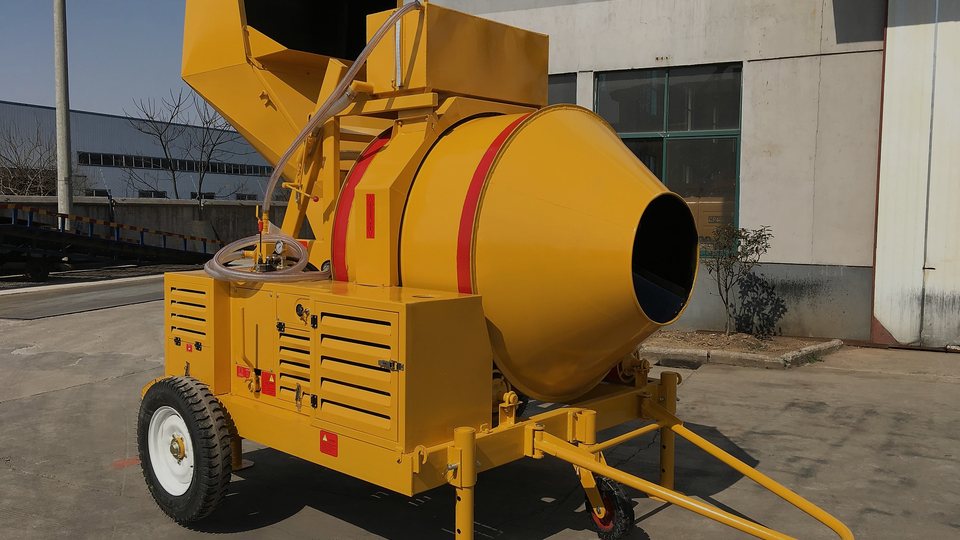 Ultimate Self-Loading Concrete Mixer in ActionMixers
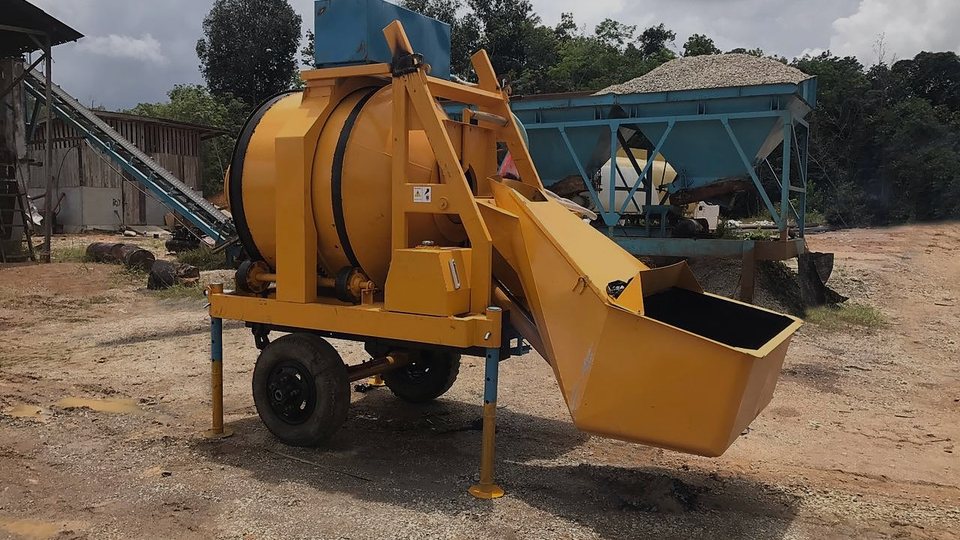 HMC350 Self-Loading Concrete MixerMixers
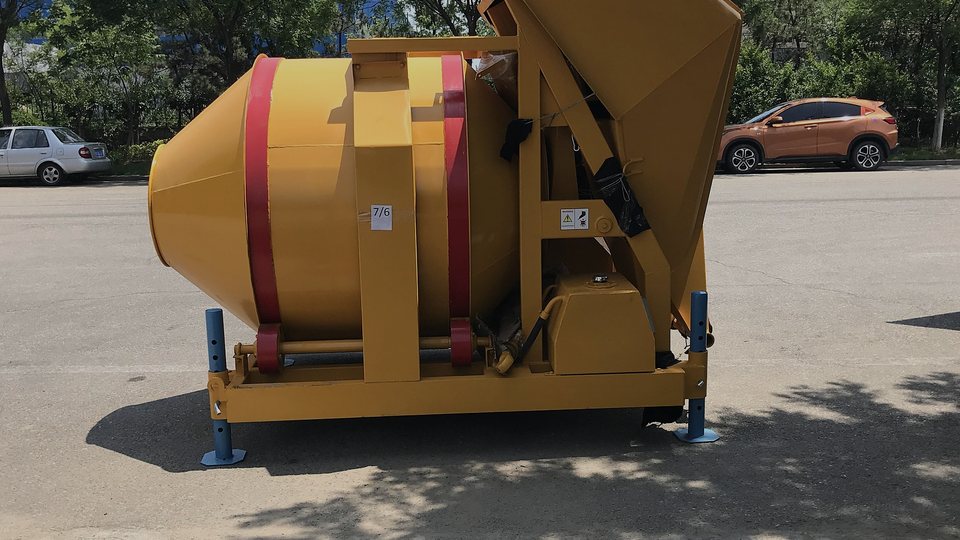 Working Principle of HAMAC Self-Loading Concrete MixerMixersWhy Everyone Is Switching to Self-Loading Concrete MixersMixersSelf-Loading Concrete Mixer: A Pioneer and Revolutionary of Concrete ProductionMixersA Pioneer and Revolutionary of Concrete Production | Self-Loading Concrete MixerMixersRevolutionizing Construction Sites: The Self-Loading Concrete MixerMixersA Comprehensive Guide to Operating a Self-Loading Concrete MixerMixersMaintaining a Self-Loading Concrete Mixer: Tips for Longevity and ReliabilityMixersHow Self-Loading Concrete Mixers Contribute to Green Building PracticesMixersThe Future of Construction: Innovations in Self-Loading Concrete Mixer TechnologyMixersSelf-Loading Concrete Mixer Tested Before DeliveryMixersHAMAC Self-Loading Concrete Mixer Testing Before DeliveryMixersWhat Is a Self-Loading Concrete Mixer?MixersSelf-Loading Concrete Mixer: A Pioneer of Concrete ProductionMixersHAMAC 1.5 m3 Self-Loading Concrete MixerMixersTwo Designs of Self-Loading Concrete Mixer for Remote AreasMixersHow Does a Self-Loading Concrete Mixer Work?MixersHMC350 3.5 m3 Self-Loading Concrete Mixer for SaleMixersHMC350 3.5 m3 Self-Loading Concrete Mixer | Delivery ReadyMixersHAMAC Self-Loading Concrete Mixer Under TestMixersSelf-Loading Concrete Mixer | Machine OverviewMixersPasos de Trabajo de la Hormigonera AutocargableMixersHAMAC Self-Loading Concrete MixerMixersHAMAC Self-Loading Concrete Mixer in OperationMixersHAMAC Self-Loading Concrete Mixer | Field ClipMixersHAMAC Self-Loading Concrete Mixer RangeMixersConcrete Mixers | HAMAC Mixer RangeMixersConcrete Transit Mixer | Drum and Chassis OverviewMixersMini Portable Concrete MixersMixersConcrete Mixers | Twin Shaft ModelMixersConcrete Mixers | Planetary ModelMixersConcrete Mixers | Diesel Engine ModelMixersConcrete Mixers | Site Mixing FootageMixersConcrete Mixers | Loading and Mixing CycleMixersConcrete Mixers | Discharge and PouringMixersConcrete Mixers | Workshop AssemblyMixersSelf-Loading Concrete Mixers | Range OverviewMixersHMC250 Self-Loading Concrete MixerMixersHMC150 Self-Loading Concrete MixerMixersHMC350 Self-Loading Concrete Mixer Working on SiteMixersHAMAC Self-Loading Concrete Mixers in OperationMixersSelf-Loading Mobile Concrete Mixer 1 to 3.5 m3MixersSelf-Loading Mobile Concrete Mixer | Capacity GuideMixersSelf-Loading Concrete Mixer Test VideoMixersInternal Structure of a Vertical Planetary Concrete MixerMixersMP Series Planetary Concrete MixerMixersConcrete Mixer Used with a Batching MachineMixersJZR Diesel Concrete Mixer TestMixersSelf-Loading Mobile Concrete Mixer Made by HAMACMixers
Questions buyers ask
How many cubic metres can a self-loading mixer produce per hour?
A 3.5 m3 model working within 3 to 5 km of the pour typically completes four to five cycles per hour, which is 14 to 17 m3 of fresh concrete. The limiting factor is usually the loading time at the aggregate pile, not the mixing itself.
What is the difference between a twin-shaft and a planetary mixer?
A twin-shaft mixer moves material along a horizontal trough and suits high-volume, low-slump mixes. A planetary mixer keeps the whole batch in one pan, which gives a more uniform mix for precast, fibre-reinforced and high-strength concrete.
How often should mixer blades be replaced?
Check blade clearance every 250 working hours. When the gap between blade and liner exceeds the manufacturer limit, mixing time rises and the mix becomes less uniform. Reversing or replacing the wear plates restores the original cycle time.
More equipment videos
Need a configuration for your project?
Tell us the material, output and site conditions. The engineering team will propose the machine size and layout.