




What this video shows
- Discharge height, chute reach and how the operator controls the pour
- Daily checks: oil levels, blade clearance, hydraulic hoses and tyres
- Road behaviour of self-loading units between the batching point and the pour
Why it matters on site
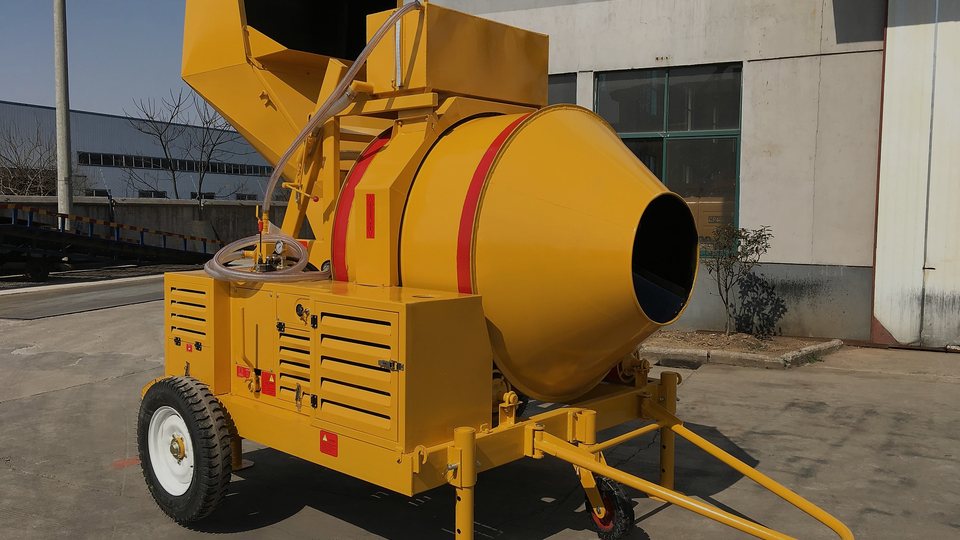
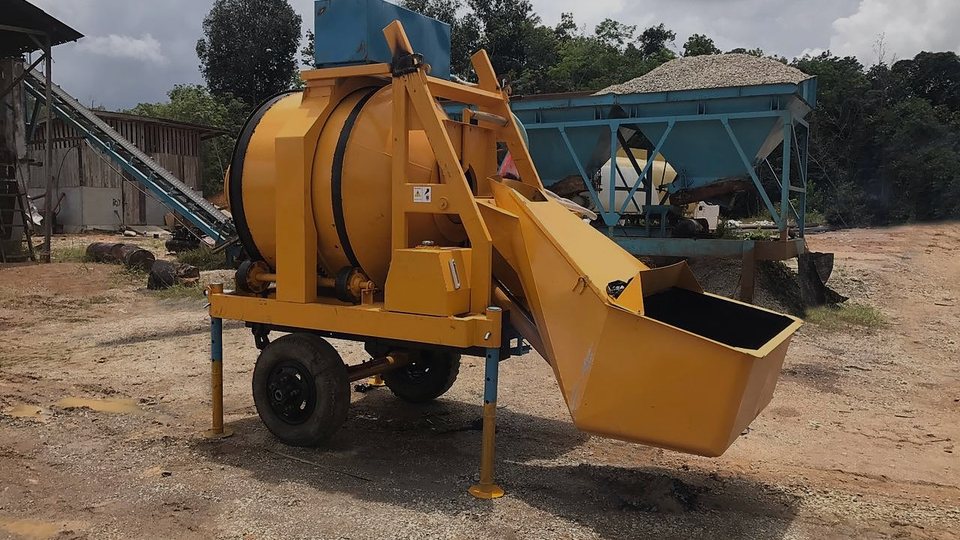
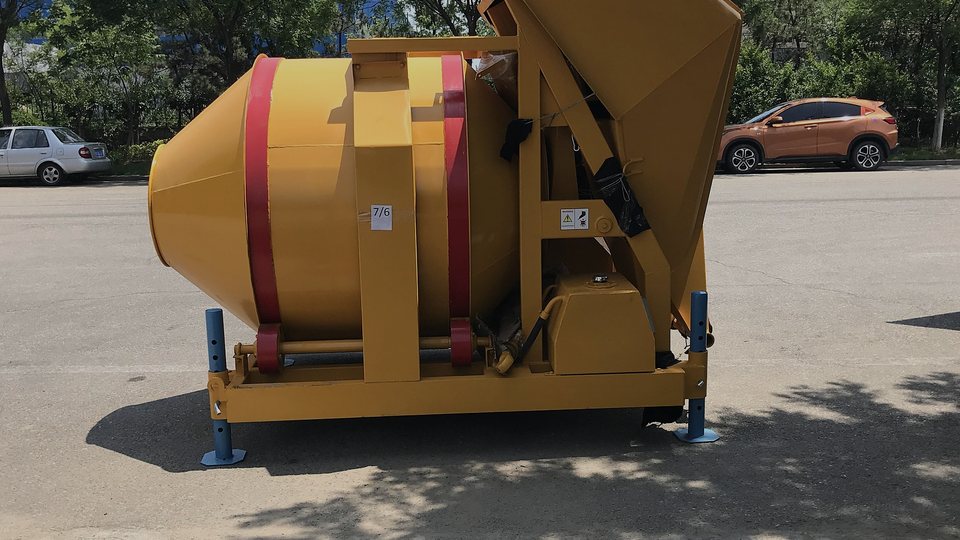
The HMC150 is the smallest self-loading mixer in the range, with a 1.5 m3 drum that suits narrow streets and small pours. Self-loading mixers, twin-shaft, planetary and drum mixers shown mixing, discharging and travelling on site. The clips focus on cycle time, discharge control and the maintenance points that decide how long a mixer stays productive. Buyers usually want to see how the machine behaves under load before they commit to a configuration, and footage answers questions that a specification sheet cannot.
Watch the sequence from set-up to discharge. Pay attention to how the operator controls the pour, how much space the machine needs around it, and what the crew does between cycles. Those details usually decide whether a model fits a site as well in practice as it does on paper.
At a glance
| Mixer type | Self-loading, twin-shaft, planetary or drum |
|---|---|
| Batch size | 0.5 to 4.0 m3 depending on model |
| Drive | Diesel engine or electric motor |
| Discharge | Hydraulic chute or belt, 1.5 to 2.2 m above ground |
| Equipment shown | HMC150 |
| Filmed at | Workshop / customer site |
Questions buyers ask
What is the difference between a twin-shaft and a planetary mixer?
A twin-shaft mixer moves material along a horizontal trough and suits high-volume, low-slump mixes. A planetary mixer keeps the whole batch in one pan, which gives a more uniform mix for precast, fibre-reinforced and high-strength concrete.
How often should mixer blades be replaced?
Check blade clearance every 250 working hours. When the gap between blade and liner exceeds the manufacturer limit, mixing time rises and the mix becomes less uniform. Reversing or replacing the wear plates restores the original cycle time.
How many cubic metres can a self-loading mixer produce per hour?
A 3.5 m3 model working within 3 to 5 km of the pour typically completes four to five cycles per hour, which is 14 to 17 m3 of fresh concrete. The limiting factor is usually the loading time at the aggregate pile, not the mixing itself.
Related videos
More footage from the same equipment group.
Want to see this machine in person?
Factory visits in Zhengzhou and reference sites in your region can be arranged before you order.