




What this video shows
- Local operator training and the first production shifts
- Spare parts and service support available in the region
- What the customer ordered and why that configuration was chosen
Why it matters on site
Machines delivered and working in Peru, Kenya, Ghana, Bolivia, Cameroon, Myanmar, the Philippines, Belarus, Nicaragua and other markets. Each clip shows real site conditions: access roads, power supply, material and the way local operators use the equipment. Buyers usually want to see how the machine behaves under load before they commit to a configuration, and footage answers questions that a specification sheet cannot.
Watch the sequence from set-up to discharge. Pay attention to how the operator controls the pour, how much space the machine needs around it, and what the crew does between cycles. Those details usually decide whether a model fits a site as well in practice as it does on paper.
At a glance
| Delivery | Container or flat rack, depending on machine size |
|---|---|
| Commissioning | Remote guidance or on-site engineer |
| Documentation | Manual, parts book and wiring diagram in English |
| Support | Spare parts shipped from Zhengzhou warehouse |
| Equipment shown | Ghana |
| Filmed at | Workshop / customer site |
Questions buyers ask
Who installs the machine on site?
Mobile plants, mixers and pumps are commissioned with remote guidance and a video walkthrough. Stationary plants and crushing lines usually include an engineer for installation and operator training, arranged with the order.
Are spare parts available locally?
Fast-moving parts such as filters, wear plates, pumping pistons and screen mesh are kept in the Zhengzhou warehouse and shipped by air. Regional partners in Peru and the Philippines hold a smaller stock for common models.
How long does delivery take after the deposit?
Standard models leave the factory in 15 to 25 working days. Custom configurations, including special voltages, colours or additional silos, usually need 30 to 45 days. Sea freight adds transit time depending on the destination port.
Related videos
More footage from the same equipment group.
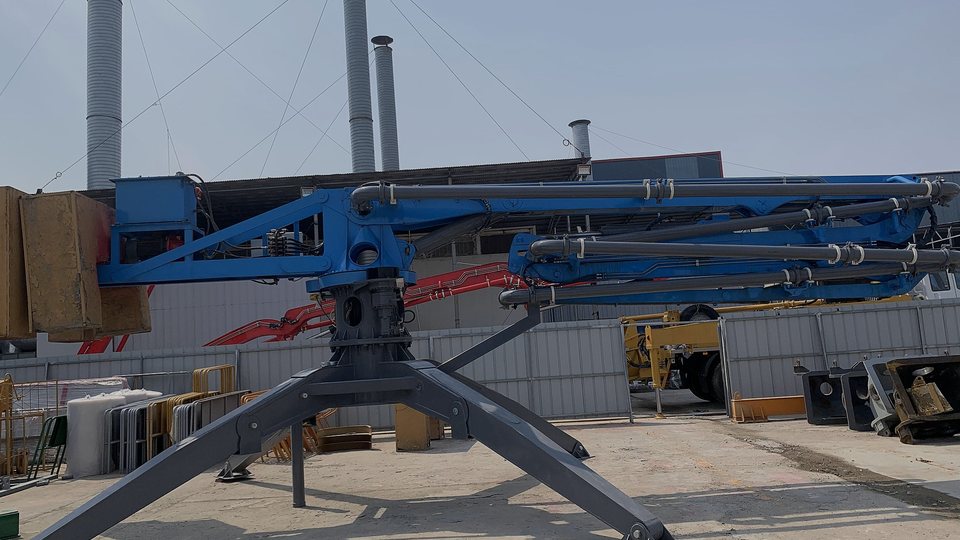 No More Supplier Delays: HAMAC Self-loading Mixer and Pump Revolution in PeruProject cases
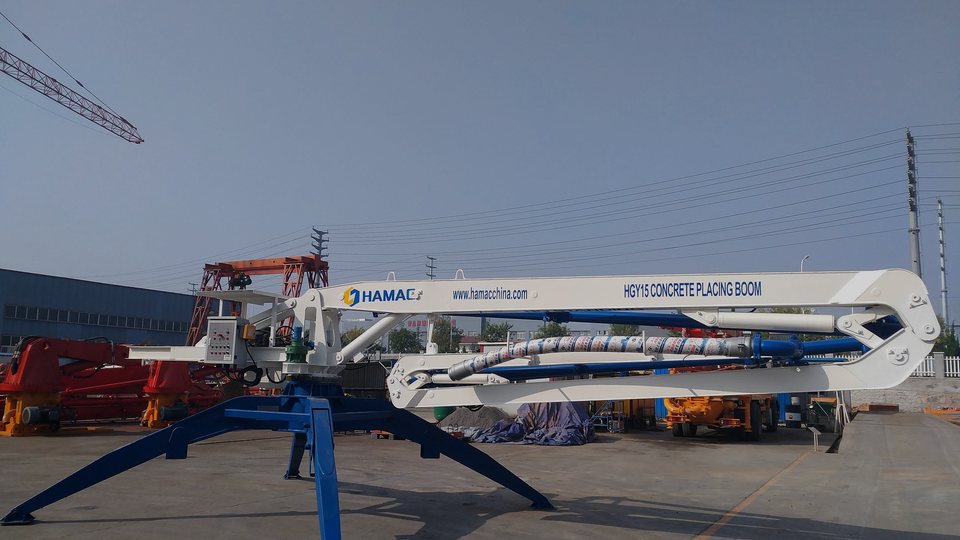 Reliable Pumping in Any Terrain | HAMAC Crawler Concrete Pump Delivered to BelarusProject cases
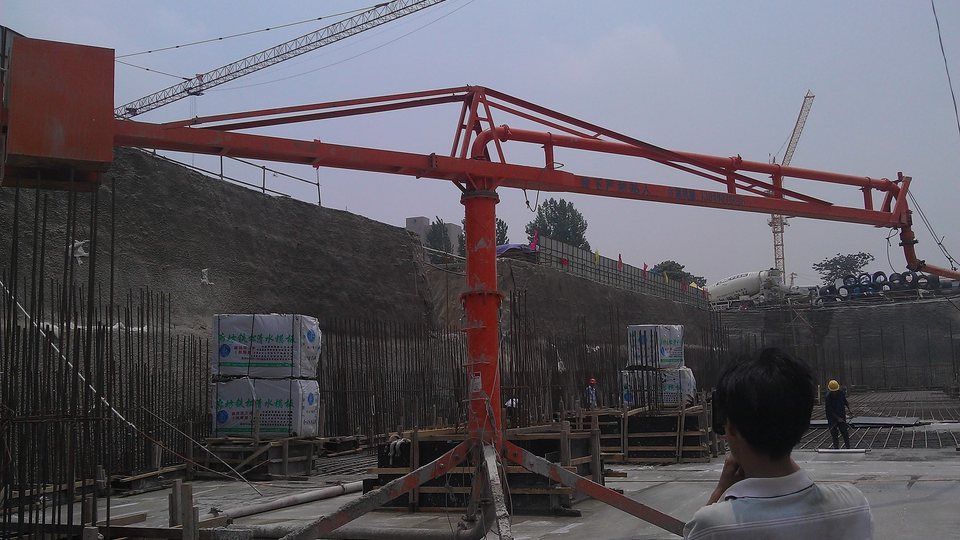 Shipping HAMAC HZM35 Dry Concrete Batching Plant to Nicaragua | 2026 DeliveryProject casesPeruvian Customer Converts 50 Trailer Pump into Vehicle-Mounted PumpProject cases
Want to see this machine in person?
Factory visits in Zhengzhou and reference sites in your region can be arranged before you order.