A technical comparison of twin-shaft and planetary concrete mixers: mixing action, cycle time, mix uniformity and the applications where each is the better choice.
Two different mixing principles
A twin-shaft mixer uses two horizontal shafts with paddles that throw material into a common central zone. It is a high-energy, short-cycle machine and is the default for commercial concrete where output and uniform colour matter. A planetary mixer combines a rotating pan with an orbiting mixing star, producing an intensive kneading action that suits high-grade, fibre-reinforced and special mixes.
The choice is not about which is better in the abstract. It is about the mixdesign, the required cycle time and the maintenance resource available on site.
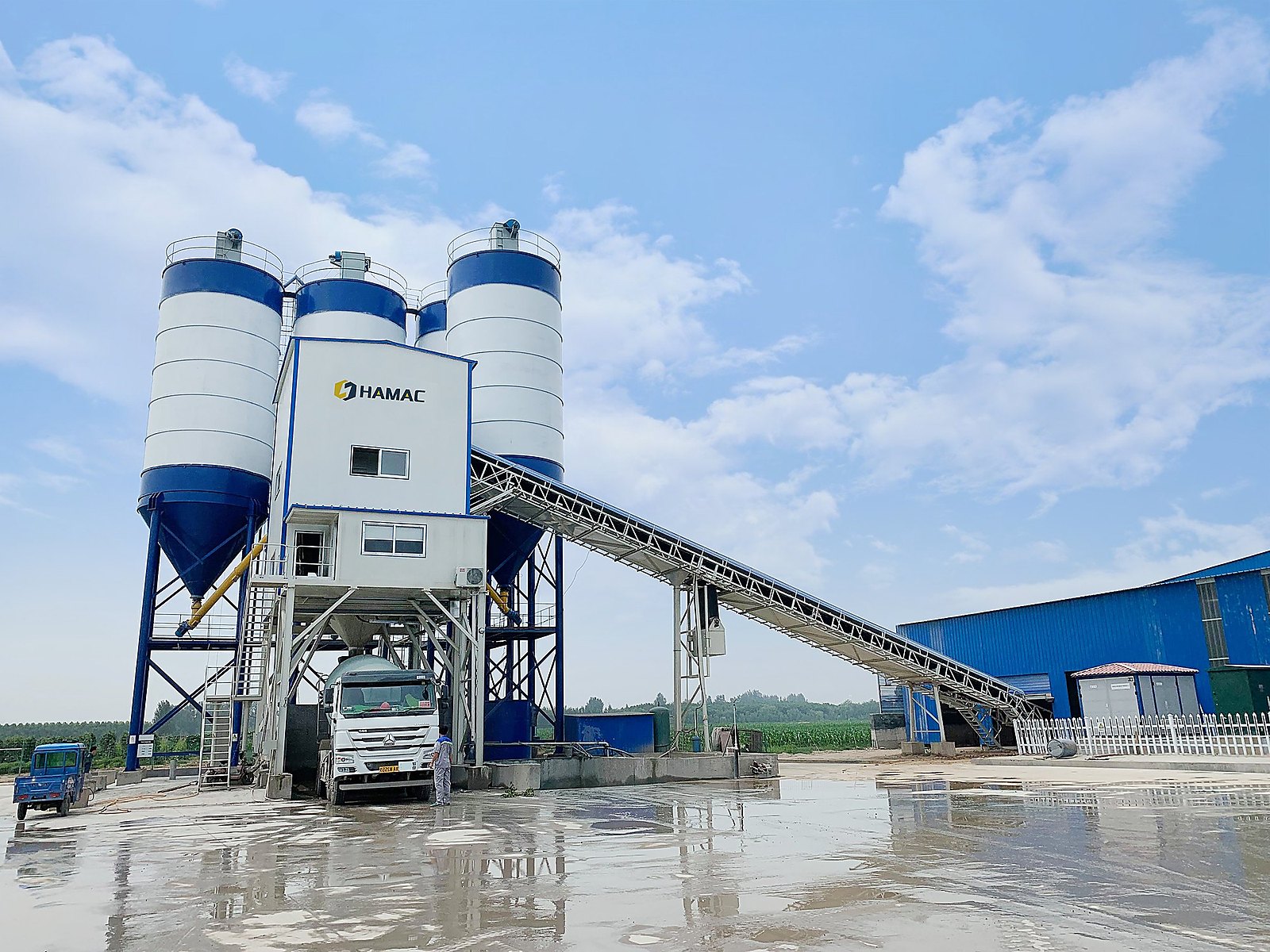
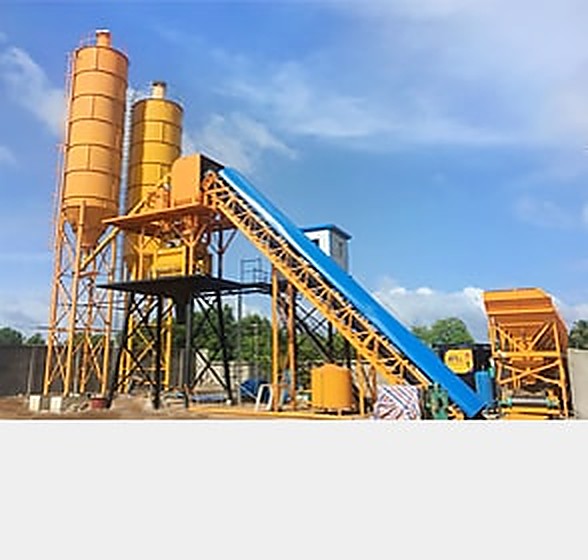
Twin-shaft concrete mixer used in a commercial batching plant
Comparison by application
Both mixers can produce concrete to the same strength grade; they differ in how quickly and consistently they do it.
Factor
Twin-shaft
Planetary
Typical cycle
30-45 s
45-90 s
Best for
Commercial ready-mix, high output
High-grade, RCCP, special mixes
Mixing action
High-shear paddle throw
Planetary kneading
Wear parts
Blades and liners, easy access
Liner and star, more parts
Capital cost
Lower
Higher
Footprint
Compact for output
Larger for output
Maintenance and wear considerations
Twin-shaft mixers concentrate wear on the blades, bottom liner and shaft seals. These are inexpensive and can be changed during a short shift window, which suits a plant that runs continuously. Planetary mixers have more moving parts inside the pan, so the maintenance routine is longer but the mixing quality on difficult mixes is hard to match.
Check blade and liner wear weekly on a twin-shaft mixer
Replace shaft seals at the first sign of grout leakage
On a planetary mixer, inspect the mixing star and scrapers every shift
Keep a wear-parts kit on site to avoid waiting for parts mid-project
HAMAC concrete mixer - 1 supplied by HAMAC.
Need help applying this to your project?
Send your material type, target output and site conditions to HAMAC engineers. You will receive a practical equipment configuration and a clear quotation, normally within one working day.
Questions about this topic
Which mixer is better for ready-mixed concrete?
A twin-shaft mixer is usually preferred for ready-mixed concrete because of its short cycle and consistent output at high volume.
When is a planetary mixer worth the extra cost?
For high-strength, fibre-reinforced, lightweight or colour-critical mixes, where mixing uniformity matters more than raw output.
How often do mixer blades need replacement?
Inspect weekly; typical life is 6 to 12 months depending on the abrasiveness of the aggregate and the hours operated.
H
HAMAC Machinery Editorial Team
Written and reviewed by engineers and sales specialists who configure concrete batching plants, crushers, mixers and pumps for projects in more than 180 countries. Content is based on factory testing data and field feedback from delivered equipment.





 Company News