German Technology Air-cured Cellular Lightweight Concrete (CLC) For Housing. Over 300,000 buildings, complete towns completed in over 50 countries over the past 30 years.
lcp1
Amongst others developed/patented:
The use of lightweight aggregate (expanded clay)
In conjunction with Cellular Concrete
A foamed lightweight aggregates (man-made) produced of fly-ash, cement-dust etc.
A 100% foamed insulation board, offering identical thermal insulation as polystyrene.
Producing floor and roof screeds, void-fills, blocks, prefab and complete houses in one pour (vertical form-work) openings or frame for doors and windows, as well as tubes and pipes for power and sanitary cast in.
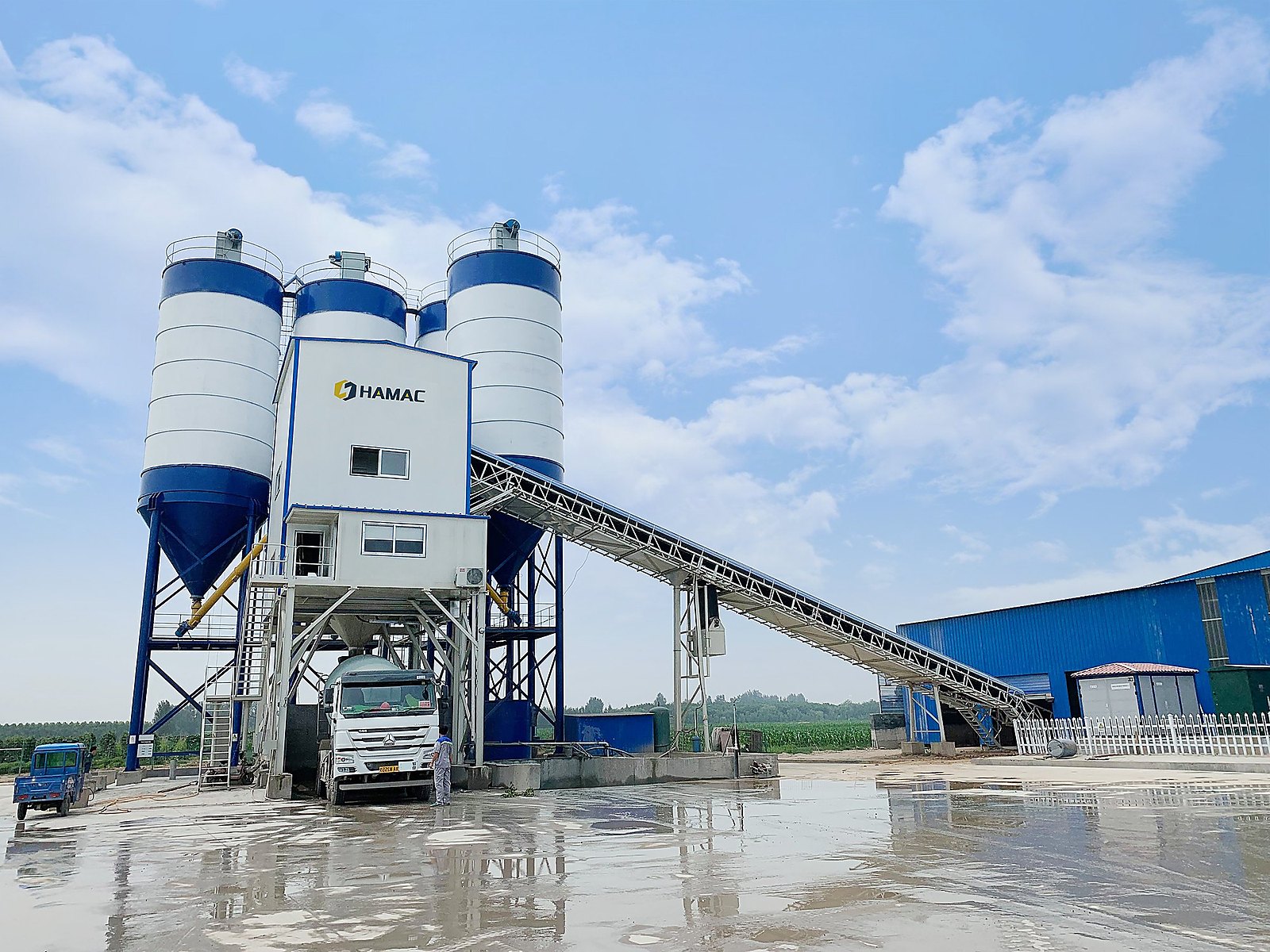
Fully to be integrated into existing concrete and prefab plants but only installing simple and inexpensive fully automatic foam generator to produce and dose the foam in selected volumes.
Benefits:
Using sand, cement, water and foam only
For structural (reinforced) and nonstructural applicationProduced as prefab or cast in-situ or block
Easily to be integrated into existing concrete and prefab plants at little investment and without major changes in production to tradition
Tremendous weight reduction
Improved fire rating
Easy application
Savings in raw material, transport, crane-cost and assembly
Can be manufactured to precise specifications of strength and densities.
Possess excellent workability.
Can be nailed, planed, drilled and sawn.
Provides excellent heat and sound insulation.
Can be applied with all traditional surface finishes - paint, tiles, carpets etc.
CLC becomes increasingly popular also in such countries, where the use of clay will be prohibited to conserve is for the agricultural industry only. A starter-kit is available for less than 10.000 Euro ex work.
Need help applying this to your project?
Send your material type, target output and site conditions to HAMAC engineers. You will receive a practical equipment configuration and a clear quotation, normally within one working day.
Questions about this topic
How do I choose batching plant capacity?
Estimate the concrete volume per day, then divide by the effective working hours. Add 20 to 30 percent headroom for peak demand. A 35 m³/h plant suits small contractors; 50 to 75 m³/h suits commercial supply; 90 m³/h and above suits large projects.
Which mixer type should I choose for my concrete?
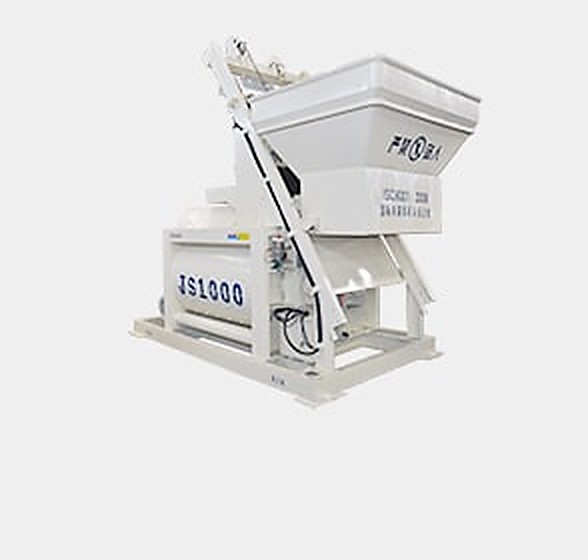
Twin-shaft compulsory mixers are the default for commercial concrete because of short mixing cycles and uniform output. Planetary mixers suit high-grade or special mixes, and drum mixers suit smaller, simpler operations.
How often should wear parts be replaced?
Mixer blades and liners are inspected weekly and normally replaced every 6 to 12 months depending on abrasive content. Belt scrapers, screen meshes and pump wear plates follow the same inspection rhythm.
Can the plant be upgraded later?
Yes. Modular batching plants allow additional silos, a larger mixer or an upgraded control system to be added later without replacing the whole structure.
H
HAMAC Machinery Editorial Team
Written and reviewed by engineers and sales specialists who configure concrete batching plants, crushers, mixers and pumps for projects in more than 180 countries. Content is based on factory testing data and field feedback from delivered equipment.





 Company News