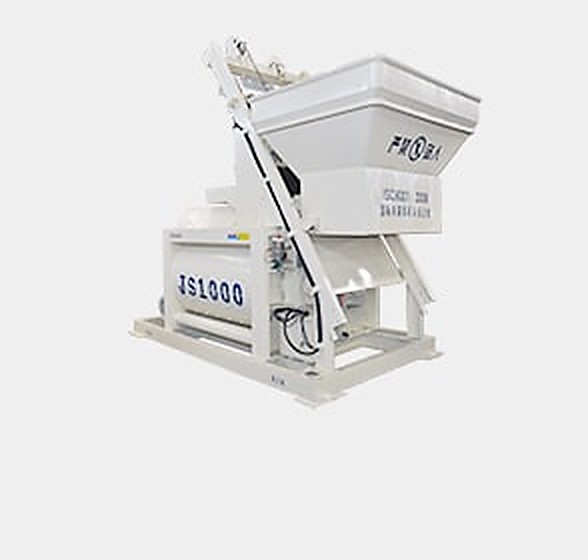
Hollow Core Slab Machines is part of HAMAC's ongoing record of concrete and aggregate equipment deliveries and application notes. This page sets out what the project involved, how the equipment was configured, and which details buyers should check when planning comparable work in the destination market or elsewhere.
Project background and project scope
The requirement came from a contractor preparing to supply foundation and structural works with a steady flow of concrete rather than buying from a distant ready-mix supplier. The starting point was not a machine model but a production requirement: what volume is needed per day, what material is available locally, and how much space the site can allocate to the plant.
The enquiry was reviewed against site drawings, power supply details and the planned working schedule before any equipment was proposed. These inputs decide whether a standard configuration is adequate or whether the plant needs a wider batching machine, additional silos, a different mixer type or a modified discharge height.
Equipment configuration
The delivered configuration centred on the concrete and aggregate equipment and its supporting systems. The main items were:
- correctly sized main machine for the required output
- material feeding and conveying system
- control system with manual and automatic modes
- wear parts package matched to the material
Equipment selection starts with the material and the required daily output. Machine size alone is a poor basis for comparison between suppliers.
Site conditions and engineering adjustments
The working environment in the destination market brought local material grading, power supply stability and the availability of skilled operators, all of which influence the final configuration more than the catalogue rating does. The configuration was adjusted accordingly rather than shipped as a catalogue standard.
Access roads and lifting capacity at the site were reviewed so that the largest transportable component could be delivered without re-engineering on arrival.
Commissioning, training and support
Commissioning followed a written checklist covering mechanical alignment, electrical termination, weighing calibration, dry-run testing and first production batches.
Operator training covered daily checks, recipe entry, manual override procedures and the actions to take if a weighing error or blockage occurs. Records of the calibration values were handed over with the machine so that future adjustments start from a known baseline.
What buyers should check before ordering
Based on this project and similar deliveries, the following points are worth confirming at quotation stage:
- confirm the quoted capacity is achievable with your actual material
- check the core component brands and the wear part material
- verify the power supply and foundation requirements on your site
- ask what commissioning and operator training is included
- confirm spare parts availability and typical delivery time
Key takeaways
- Start from daily output and material, not from a model number.
- Confirm that quoted capacity matches your real material and site conditions.
- Allow for climate, power supply and transport access in the configuration.
- Budget for wear parts and a spare parts kit from the first year of operation.
For a comparable project, HAMAC can review your requirement and propose a configuration with a clear scope, delivery schedule and support plan.





 Company News