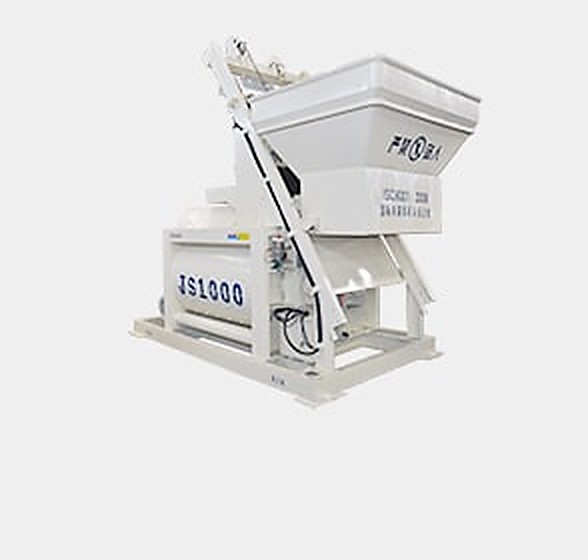
Complete range of semi and fully automatic block making machine for the production of concrete hollow blocks, solid bricks, ceiling blocks, paving stones, curb stones etc. Depending on the design of the concrete products, a production height from 40mm up to 400mm can be manufactured. The machine can be supplied with face mix filling device and equipped with different options of handling systems from simple rope conveyor and gantry hoist system, rack & forklift system up to fully automatic finger car and palletizing with cubing and strapping devices.
Configuration notes for block machine
Block quality is decided by the mix design and vibration consistency, not by machine size. Inconsistent aggregate grading is the most common cause of weak blocks and high breakage rates. In practice, the delivered scope for this type of work usually includes:
- vibration table with adjustable frequency and amplitude
- hydraulic mould changing system for different block sizes
- pallet feeding and stacking system
- material batching and mixing unit ahead of the machine
Site and operating conditions
Equipment working in the destination market has to deal with local material grading, power supply stability and the availability of skilled operators, all of which influence the final configuration more than the catalogue rating does. These points are reviewed during the technical clarification stage, because they change foundation design, electrical protection and the maintenance schedule.
What buyers should check before ordering
- confirm the cycle time per pallet and the number of blocks per pallet for your target size
- check the vibration system type and whether it suits your aggregate and cement ratio
- verify the pallet size and the cost of replacing pallets over time
- ask about the curing arrangement needed to reach handling strength
- confirm the total connected power and whether your site supply can support it
Key takeaways
- Base the selection on daily output and actual material, not on a model number.
- Confirm the quoted capacity matches your material and site conditions.
- Plan wear parts and a spare parts kit from the first year of operation.
HAMAC can review your requirement and propose a comparable configuration with a clear scope, schedule and support plan.





 Company News