




What this video shows
- Wear parts: jaw plates, cone liners, blow bars and screen mesh
- Dust control, water spray and the layout of the discharge conveyors
- Feed size and how it is controlled before the primary crusher
Why it matters on site
Jaw, cone and impact crushers together with complete stationary and mobile crushing plants, filmed in the factory and at quarry sites. The focus is on feed size, reduction ratio, screen configuration and the maintenance that keeps availability high. Buyers usually want to see how the machine behaves under load before they commit to a configuration, and footage answers questions that a specification sheet cannot.
Watch the sequence from set-up to discharge. Pay attention to how the operator controls the pour, how much space the machine needs around it, and what the crew does between cycles. Those details usually decide whether a model fits a site as well in practice as it does on paper.
At a glance
| Plant type | Stationary or mobile crushing and screening |
|---|---|
| Capacity | 50 to 500 t/h depending on configuration |
| Stages | Primary jaw, secondary cone or impact, optional tertiary |
| Product | 0-5, 5-10, 10-20, 20-40 mm aggregates |
| Equipment shown | Crusher plant |
| Filmed at | Workshop / customer site |
Questions buyers ask
What does a 200 t/h plant actually produce?
The figure refers to total feed through the primary crusher. Finished aggregate tonnage is lower because oversize returns for recirculation and some material leaves as dust or waste. Plan for 70 to 80 percent of the feed as sellable product.
How often should screen mesh be checked?
Inspect the mesh at every shift for broken wires and loose tensioning. A slack screen blinds over and sends oversize into the product pile, which is the most common reason a plant fails a specification test.
How do I choose between a jaw crusher and an impact crusher?
Jaw crushers handle hard, abrasive rock such as basalt and granite and are the usual primary stage. Impact crushers give a better cubic shape in limestone and recycled concrete but wear faster on abrasive feed.
Related videos
More footage from the same equipment group.
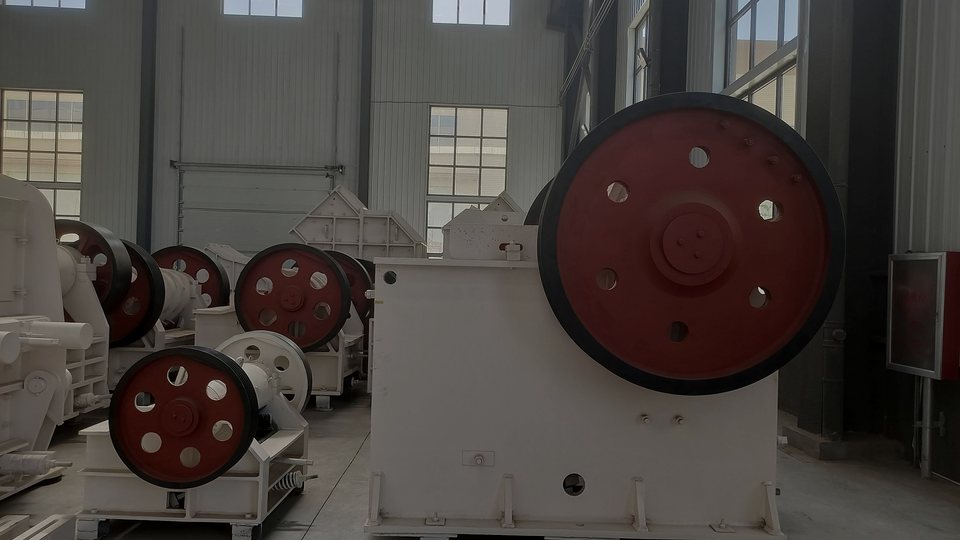 Modern Production, Traditional Strength: HAMAC Crusher Manufacturing PhilosophyCrushing
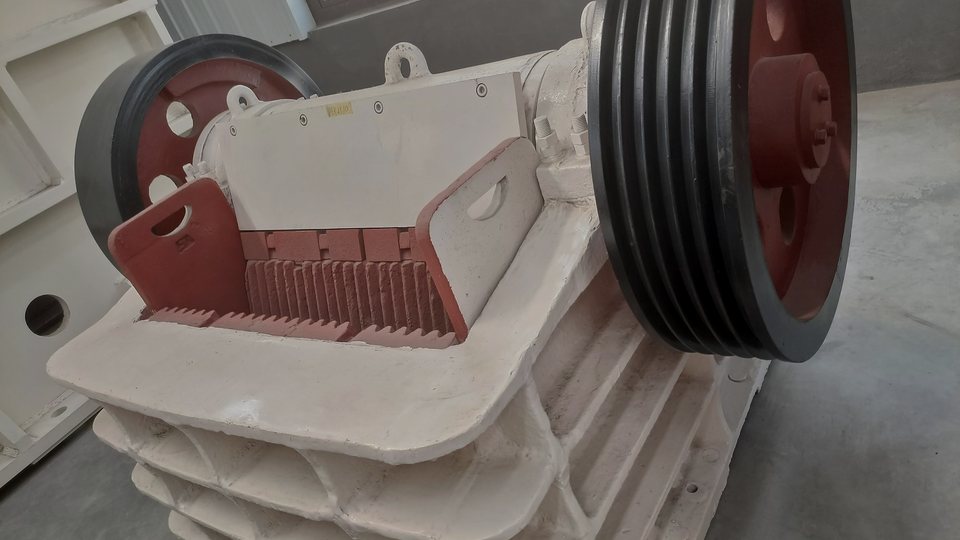 HAMAC Mining Crusher Factory Tour: Built for Quarry and Aggregate ProjectsCrushing
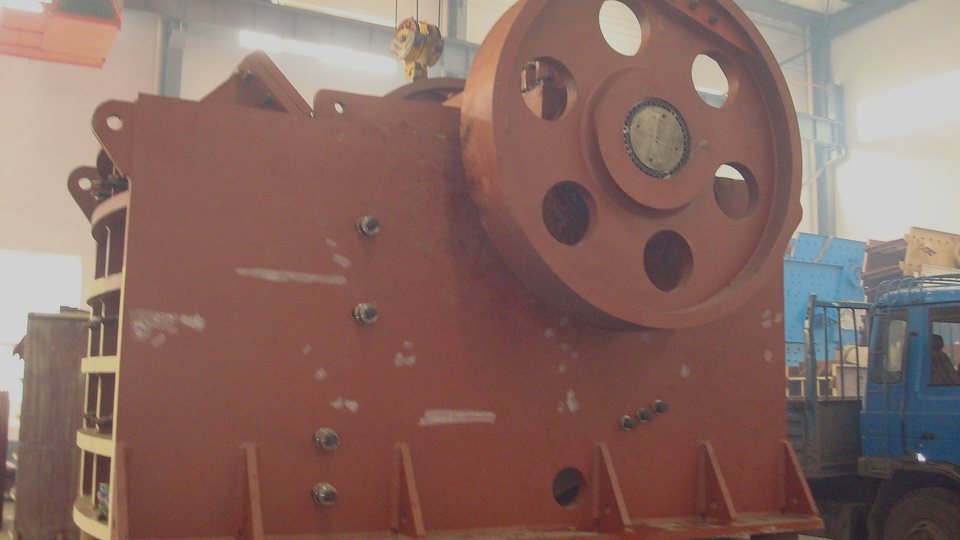 From Factory Floor to Quarry Site: HAMAC Crusher Plants Ready for WorkCrushingQuality First: Inside HAMAC Crushing Equipment Production and TestingCrushing
Want to see this machine in person?
Factory visits in Zhengzhou and reference sites in your region can be arranged before you order.