




What this video shows
- Truck loading height, ramp access and traffic flow on a working site
- Foundation, power supply and water requirements before installation
- Plant layout and the space needed around the aggregate hopper and cement silos
Why it matters on site
Stationary, mobile and dry-batch concrete batching plants filmed in the workshop and on customer sites. Aggregate feeding, cement silo dosing, weighing, mixing and control-system behaviour are shown at real production rates rather than in a studio. Buyers usually want to see how the machine behaves under load before they commit to a configuration, and footage answers questions that a specification sheet cannot.
Watch the sequence from set-up to discharge. Pay attention to how the operator controls the pour, how much space the machine needs around it, and what the crew does between cycles. Those details usually decide whether a model fits a site as well in practice as it does on paper.
At a glance
| Plant type | Stationary, mobile or dry-batch |
|---|---|
| Typical output | 25 to 120 m3/h |
| Aggregate storage | 2 to 4 hoppers with belt or skip feeding |
| Control | Semi-automatic or PLC with batch recording |
| Equipment shown | Dry batch plant |
| Filmed at | Workshop / customer site |
Questions buyers ask
What output can I expect from the plant shown?
Output depends on the mixer size, the number of aggregates and the cycle time. A 25 m3/h mobile plant typically completes a batch in 60 to 75 seconds, while a 90 m3/h stationary plant needs a larger mixer and a faster weighing sequence. The video shows the actual cycle on site, which is more reliable than a catalogue figure.
Is a mobile plant accurate enough for structural concrete?
Yes, provided the weighing system is calibrated and the moisture of the sand is measured. Mobile plants use the same load cells and PLC logic as stationary units; the difference is the compact frame and the fast relocation, not the batching accuracy.
How much foundation work is needed?
A mobile plant normally needs a level concrete slab and a hard standing for the loader. A stationary plant needs separate foundations for the mixer, the aggregate bins and the cement silos, plus anchor bolts set to the drawing issued with the layout.
Related videos
More footage from the same equipment group.
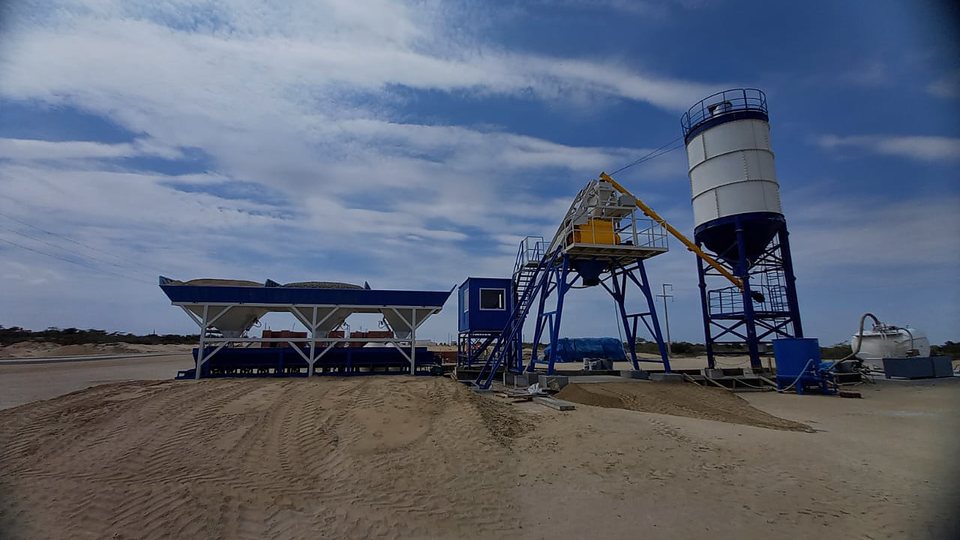 Mobile Concrete Batching Plant Working in Kyrgyzstan | HAMAC ProjectBatching plants
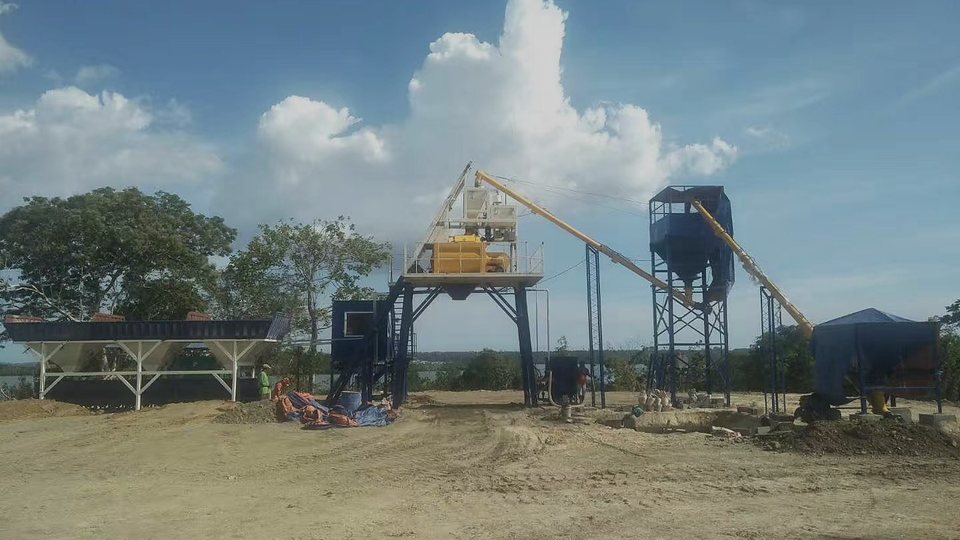 120 m3/h Stationary Concrete Batching Plant Working in Papua New GuineaBatching plants
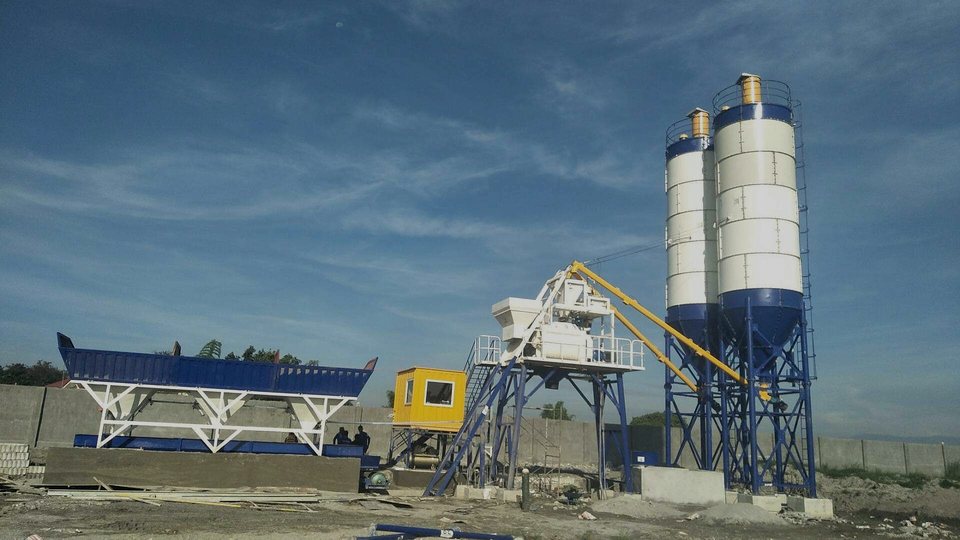 Managing Frequent Relocation for High-Efficiency Concrete Projects | YHZM25 GuideBatching plants2 Minutes to Discover the YHZM25 Mobile Concrete Batching PlantBatching plants
Want to see this machine in person?
Factory visits in Zhengzhou and reference sites in your region can be arranged before you order.