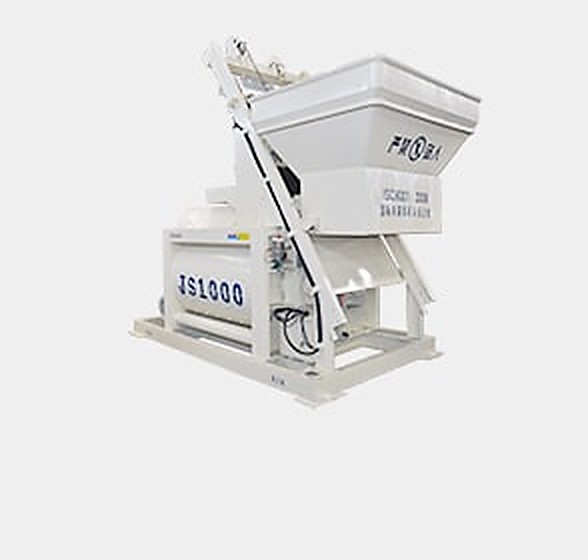
On 25th, March, 2022, one unit of concrete mixer pump for sale was delivered to Kenya for a machine rental company. This concrete mixer with pump for rental will be a new increasing point for their business.
How to choose a suitable mobile concrete mixer with pump for sale?
1. Whether there is electricity at working site or not? If there is not electricity there, we will recommend you the diesel engine type;
2. How many meters height and how far you will pump the concrete? We will see which model can reach the horizontal distance and vertical height;
3. How many cubic meters concrete you want to produce per hour? We will see if one more mixer is needed or not. Because the capacity for the concrete pump system in this machine is higher than the capacity of concrete mixer.
4. Is there a strict quality or formula requirement for the concrete which will be produced by the concrete mixer with pump? If yes, we will recommend you an aggregate batching machine to feed the exact weight of aggregates, sand into the concrete mixer.
Configuration notes for pump
Pumping height and pipeline length reduce achievable output. A pump rated at 60 m³ per hour at ground level will deliver considerably less at 100 metres of horizontal pipeline. In practice, the delivered scope for this type of work usually includes:
- hydraulic pump unit with variable displacement control
- S-valve or gate valve with hardened wear plates and cutting ring
- delivery pipeline sized to the concrete mix and vertical lift
- outrigger frame and stabilisers for safe placement
Site and operating conditions
Equipment working in Kenya has to deal with high humidity and heavy seasonal rain, which makes corrosion protection, electrical enclosure sealing and drainage around the foundation important details rather than afterthoughts. These points are reviewed during the technical clarification stage, because they change foundation design, electrical protection and the maintenance schedule.
What buyers should check before ordering
- confirm the output and pressure figures are quoted at the required horizontal and vertical distance
- check the maximum aggregate size the pump handles with your mix design
- verify the pipeline diameter matches the slump and aggregate of your concrete
- ask about wear plate and cutting ring life under your aggregate type
- confirm after-sales support and spare parts for the hydraulic system
Key takeaways
- Base the selection on daily output and actual material, not on a model number.
- Confirm the quoted capacity matches your material and site conditions.
- Plan wear parts and a spare parts kit from the first year of operation.
HAMAC can review your requirement and propose a comparable configuration with a clear scope, schedule and support plan.





 Company News