A cost model for deciding whether to assemble construction equipment locally or import complete machines, covering tooling, labour, freight and service.
What local assembly really saves
Local assembly can reduce freight volume and import duty because parts arrive unassembled. It also creates local employment, which can matter for public projects. But it requires trained labour, tooling, a quality system and a reliable component supply.
The saving is only real if the local plant can assemble to the factory standard. A poor assembly job can erase the duty saving through downtime and warranty claims.
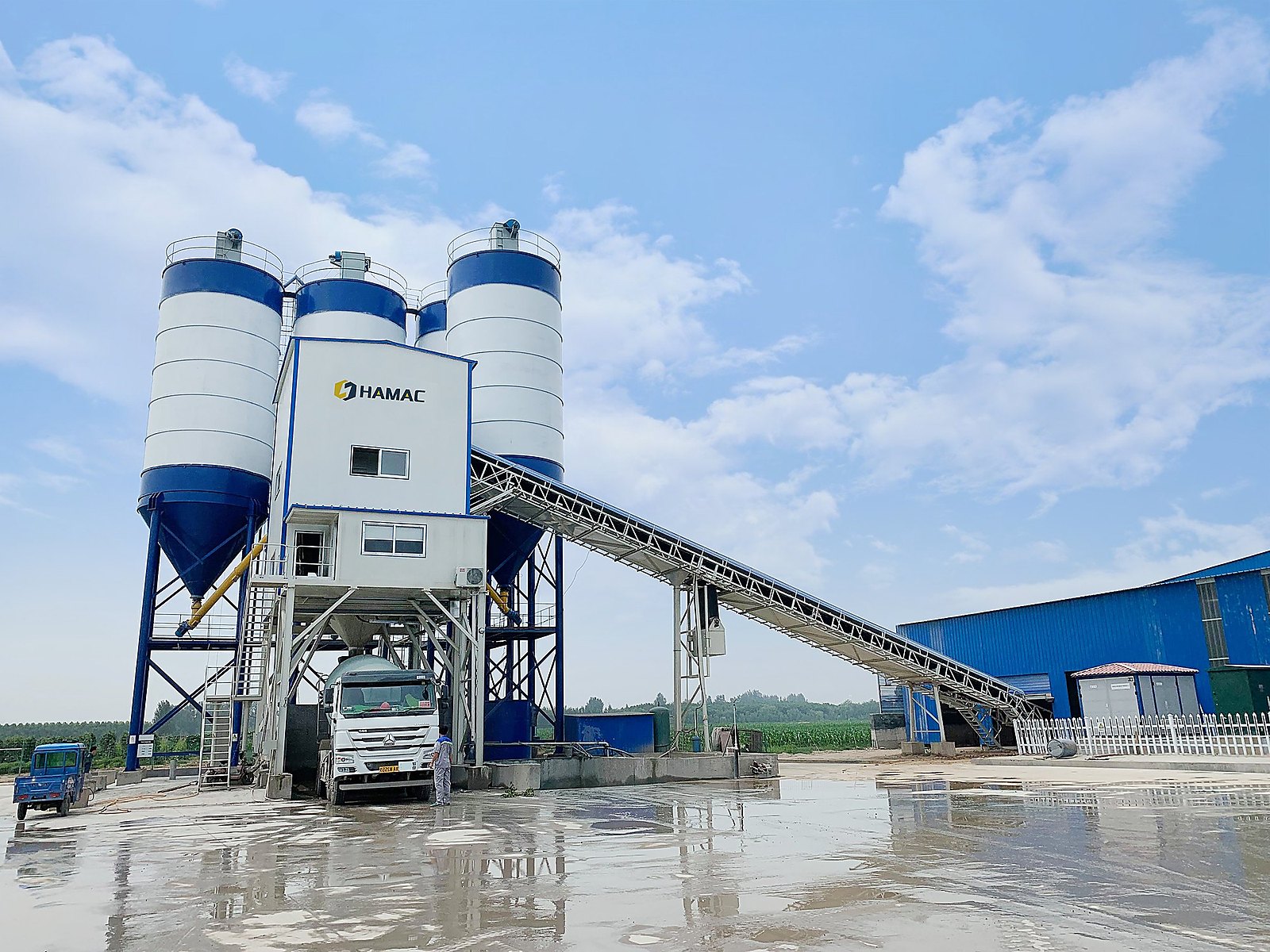
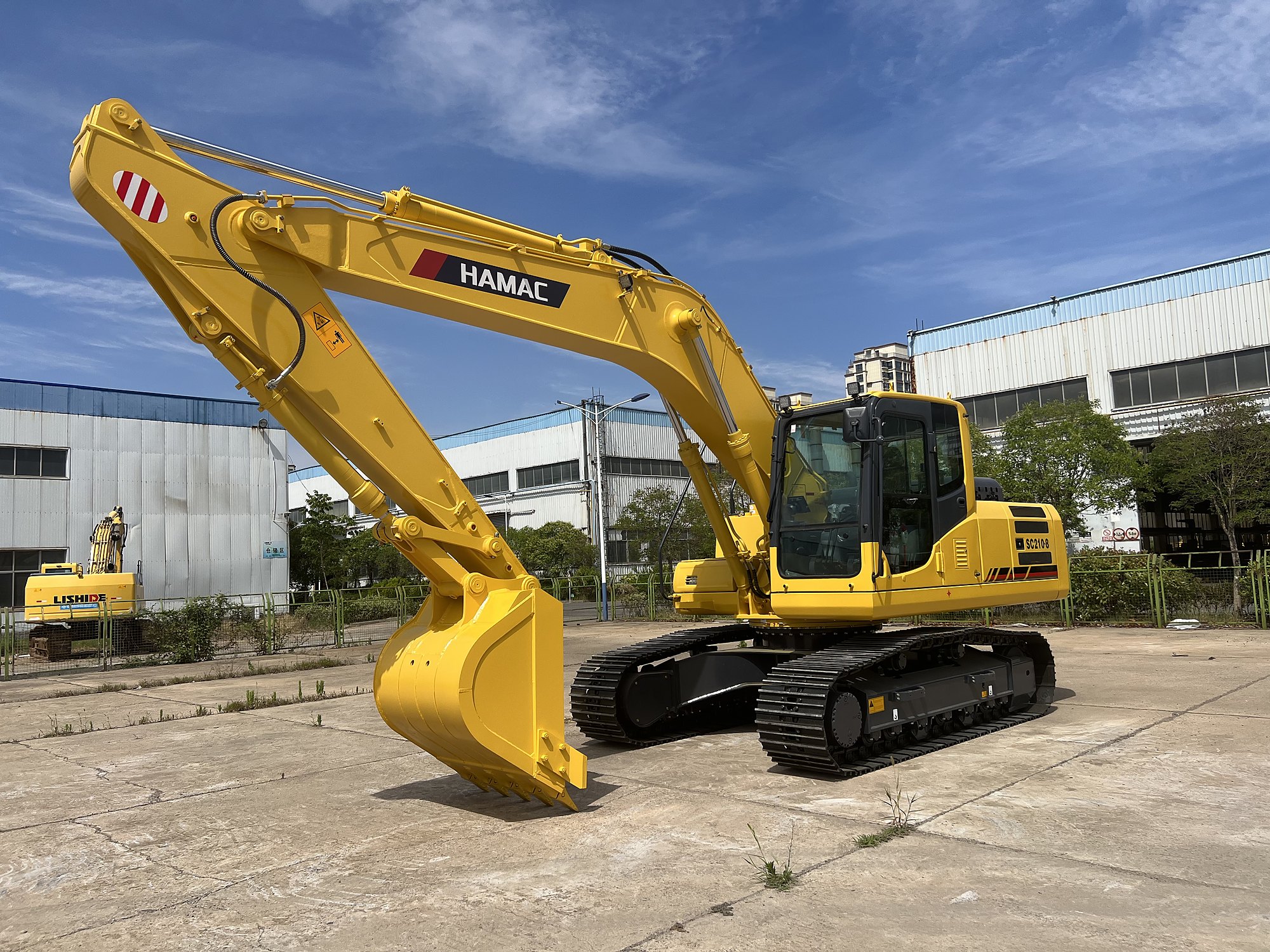
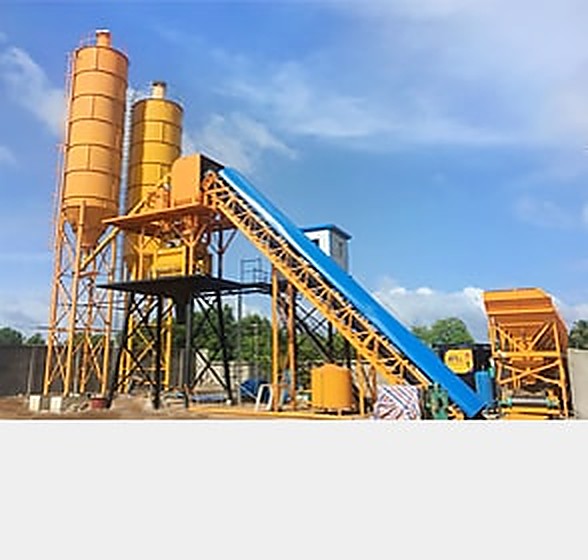
HAMAC earthmoving machine - 7.
Building the cost model
Compare landed cost of a complete machine with the sum of landed components, local labour, tooling amortisation, facility overhead and expected cost of quality failures. Add working capital tied up in a local parts inventory.
For low volumes, imported complete machines usually win. Local assembly becomes attractive when annual volumes justify the tooling and the destination market has a clear duty advantage for parts.
Service and skills are the hidden constraint
A local assembly operation needs welding and hydraulic skills that may be scarce. Training and supervision are real costs and should be budgeted for at least the first production batch.
Practical takeaways
At sufficient annual volume, with a duty advantage for parts and access to trained labour and a quality system.
Tooling, training and the cost of quality failures during the first production batches.
It can once stable, but first batches are usually slower than importing complete machines.
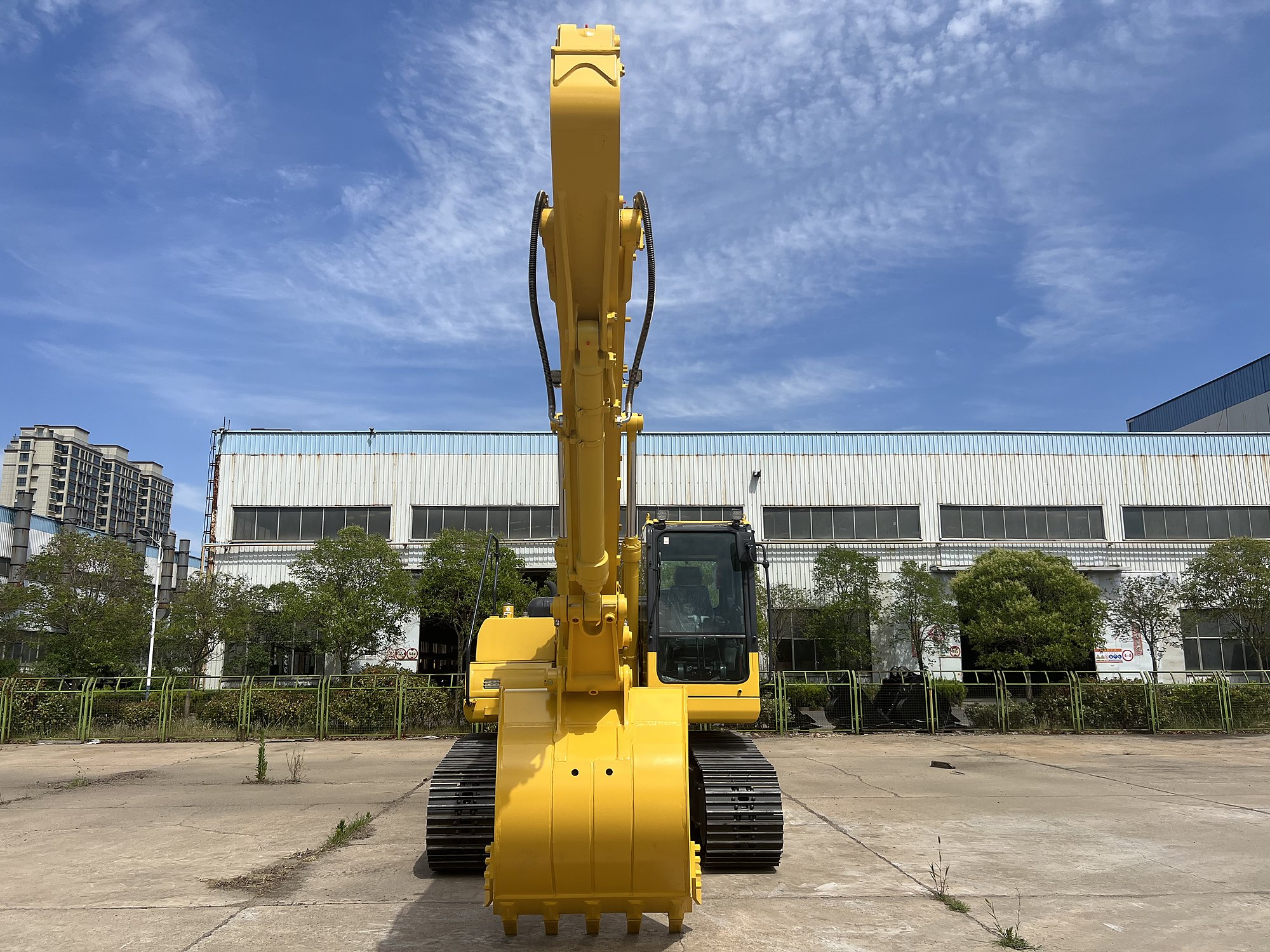
HAMAC earthmoving machine - 5 supplied by HAMAC.
Need help applying this to your project?
Send your material type, target output and site conditions to HAMAC engineers. You will receive a practical equipment configuration and a clear quotation, normally within one working day.
Questions about this topic
When does local assembly make financial sense?
At sufficient annual volume, with a duty advantage for parts and access to trained labour and a quality system.
What is the biggest hidden cost?
Tooling, training and the cost of quality failures during the first production batches.
Does local assembly reduce lead time?
It can once stable, but first batches are usually slower than importing complete machines.
H
HAMAC Machinery Editorial Team
Written and reviewed by engineers and sales specialists who configure concrete batching plants, crushers, mixers and pumps for projects in more than 180 countries. Content is based on factory testing data and field feedback from delivered equipment.





 Company News