Crushing & Screening PlantEditorial review by HAMAC
In this article
A practical guide to choosing a mobile crushing plant for a quarry, covering feed size, capacity, mobility and power.
Start with the material and the product
The rock type, the largest feed lump and the required product sizes decide the crusher configuration before mobility or price is considered. Hard abrasive rock needs a jaw plus cone arrangement; softer limestone may be handled by a single impact crusher.
Define the product specification first, then work backwards to the crusher and screen sizes that can deliver it consistently.
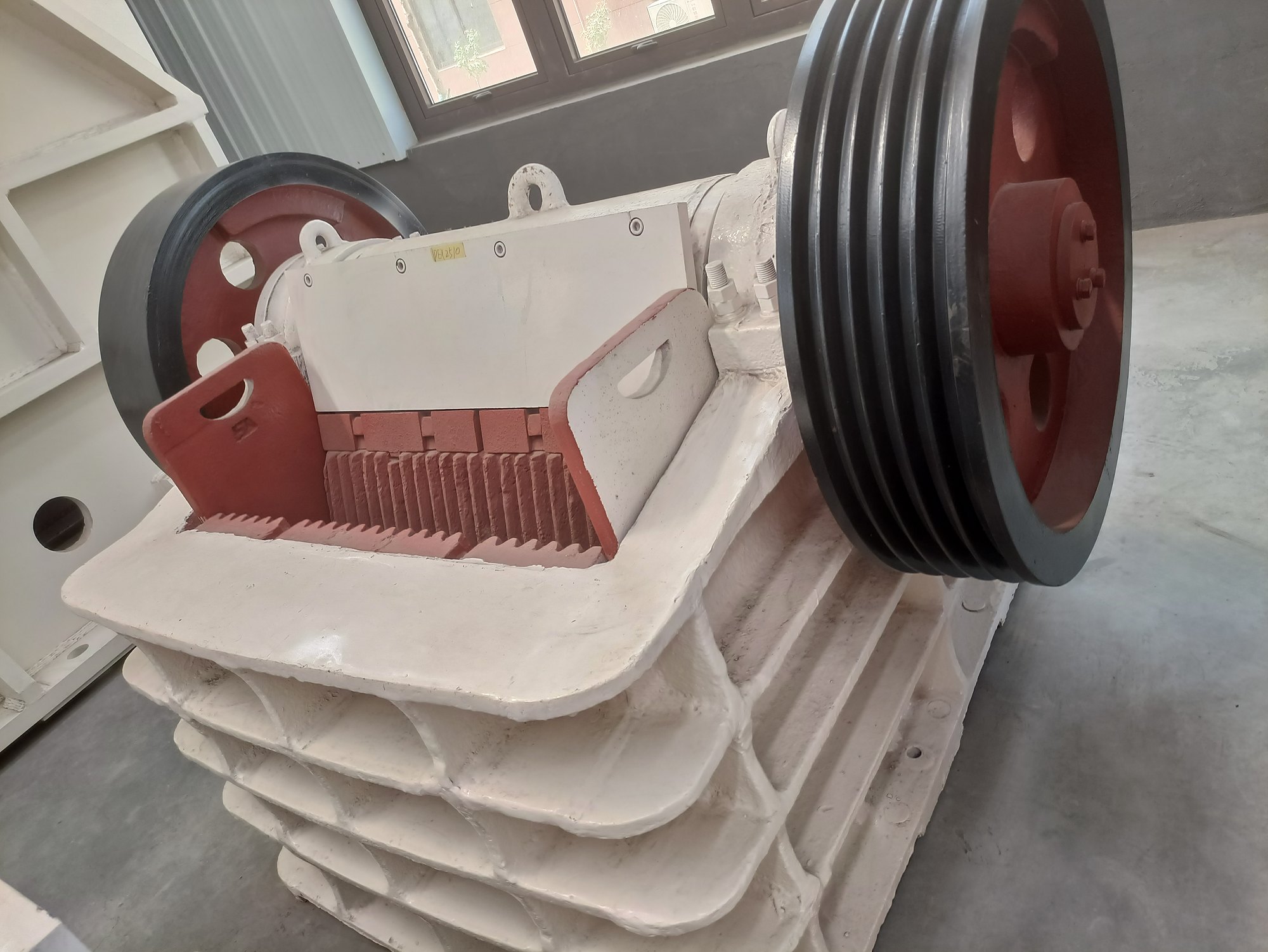
HAMAC stone crusher machine - 7.
Tracked or wheeled
Tracked plants move under their own power over rough quarry ground and are ideal when the face advances frequently. Wheeled plants rely on a tractor and cost less, but need a prepared surface and more setup time. Choose based on how often the plant must relocate.
Factor
Tracked
Wheeled
Mobility
Self-propelled, rough ground
Tractor required
Cost
Higher
Lower
Setup
Fast
Moderate
Best for
Frequent moves
Stable quarry face
Power and operating cost
Diesel-driven plants offer independence from the grid, while electric plants have lower running cost where a reliable supply exists. Many quarries choose a hybrid approach. Check fuel or power consumption per tonne, not just installed power.
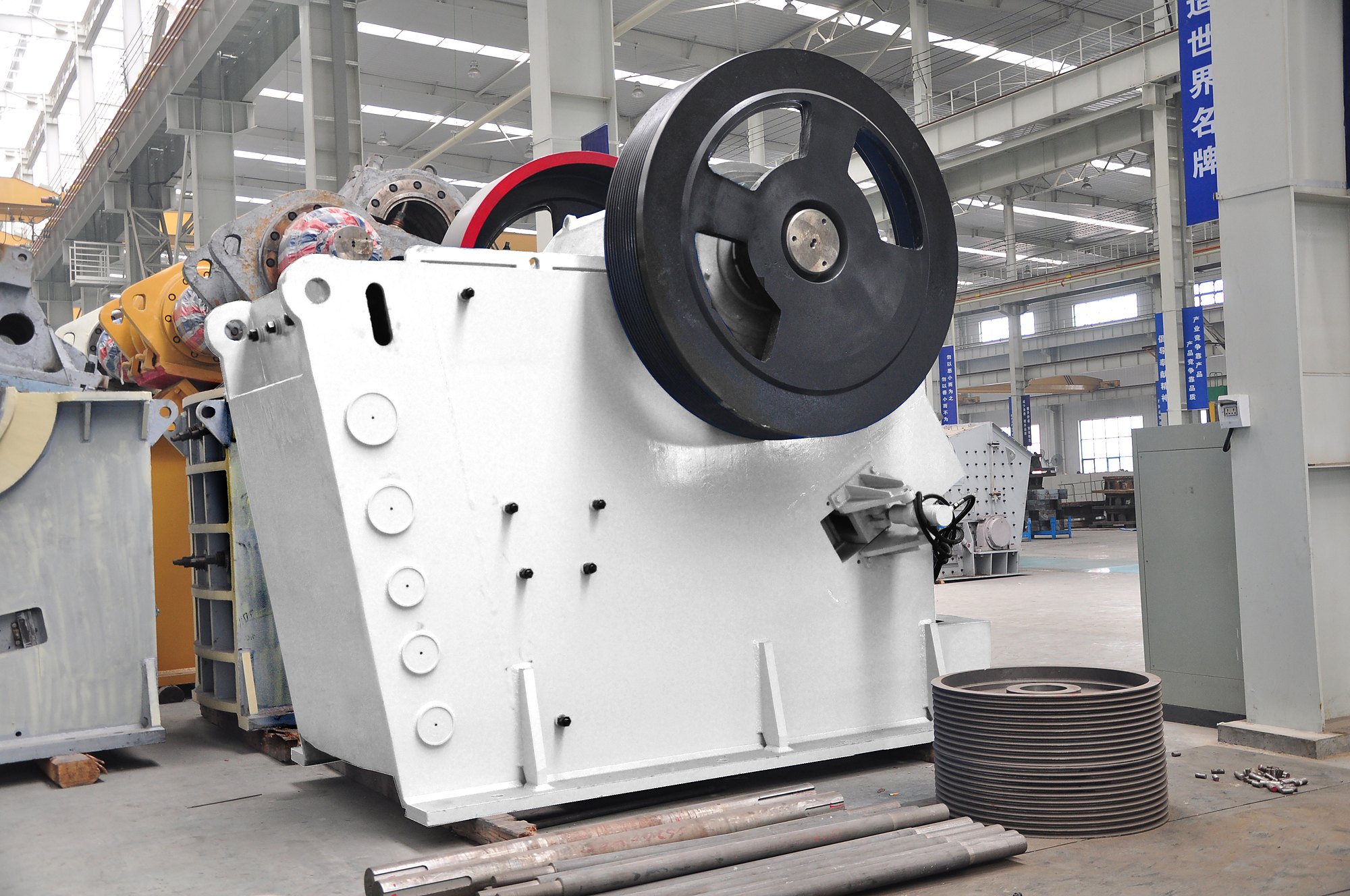
HAMAC stone crusher machine - 6.
Need help applying this to your project?
Send your material type, target output and site conditions to HAMAC engineers. You will receive a practical equipment configuration and a clear quotation, normally within one working day.
Questions about this topic
What size mobile crusher do I need?
Size from feed lump, required tonnes per hour and product sizes; a jaw handles large feed and a cone or impact stage produces the final aggregate.
Tracked or wheeled crushing plant?
Tracked for frequent moves on rough ground; wheeled for lower cost where a tractor and prepared surface are available.
What affects crushing cost per tonne?
Feed hardness, wear-part life, power or fuel cost, and how efficiently the plant is fed and screened.
H
HAMAC Machinery Editorial Team
Written and reviewed by engineers and sales specialists who configure concrete batching plants, crushers, mixers and pumps for projects in more than 180 countries. Content is based on factory testing data and field feedback from delivered equipment.





 Company News