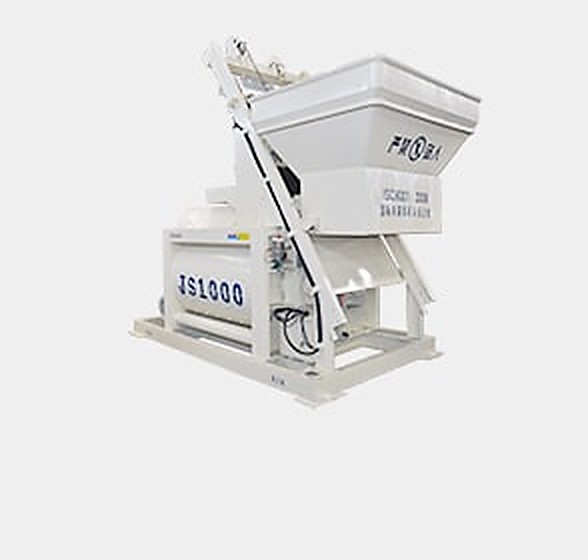
How to recognise mixer blade and liner wear and decide when replacement protects concrete quality and cost.
Why wear changes the mix
As mixer blades wear, they lose their ability to lift and fold the material, so mixing takes longer and becomes less uniform. Worn bottom liners allow material to build up and can contaminate subsequent batches. The result is a gradual loss of concrete quality that is easy to miss until it becomes serious.
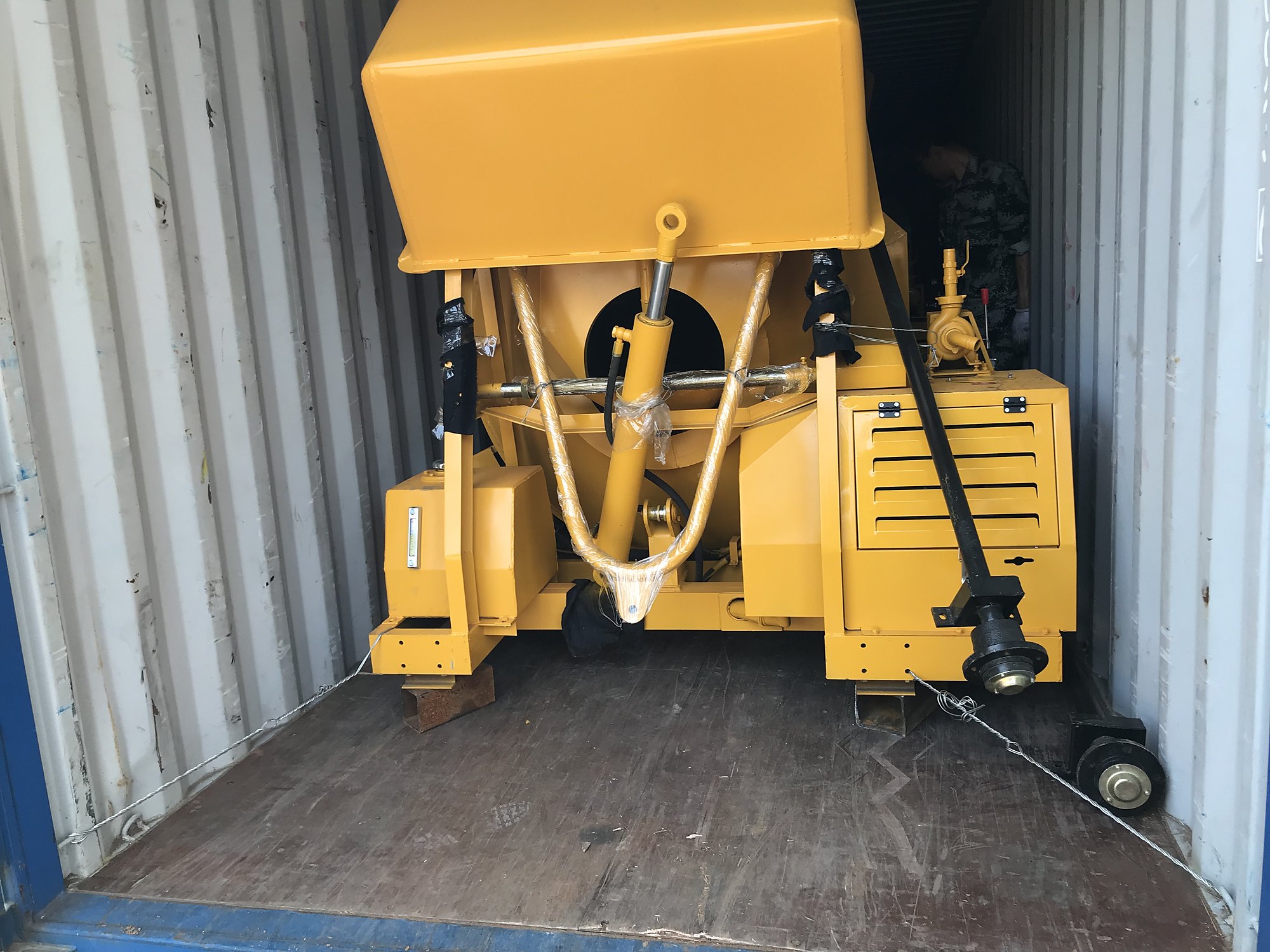
HAMAC concrete mixer - 8.
Inspection routine
Check blade and liner condition weekly on a high-use plant. Look for reduced blade height, rounded edges and gaps under the blades. Measure wear against the manufacturer's limit rather than waiting for a visible failure.
Planning replacement
Replace blades and liners as a set where possible, so mixing balance is preserved. Keep a wear-part kit on site and schedule replacement during planned downtime. Running a worn mixer to save on parts usually costs more through lost quality and later damage.
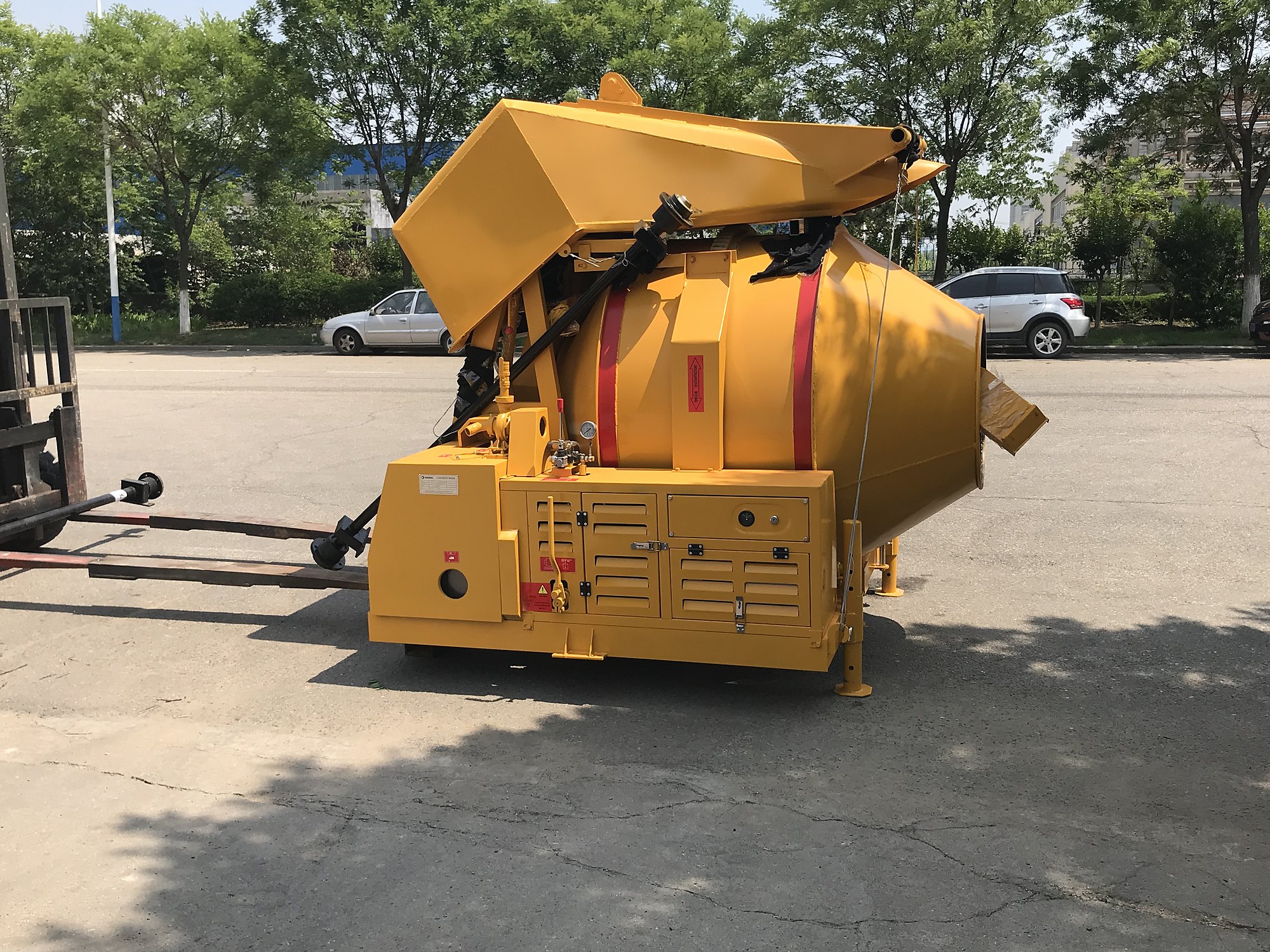
HAMAC concrete mixer - 4.
Need help applying this to your project?
Send your material type, target output and site conditions to HAMAC engineers. You will receive a practical equipment configuration and a clear quotation, normally within one working day.
Questions about this topic
How often should mixer blades be replaced?
Inspect weekly; typical life is 6 to 12 months depending on aggregate abrasiveness and operating hours.
What happens if I run worn blades?
Mixing becomes slower and less uniform, and material buildup can contaminate later batches.
Should I replace blades as a set?
Yes. Replacing as a set keeps the mixing balance and avoids uneven wear on the remaining parts.
H
HAMAC Machinery Editorial Team
Written and reviewed by engineers and sales specialists who configure concrete batching plants, crushers, mixers and pumps for projects in more than 180 countries. Content is based on factory testing data and field feedback from delivered equipment.





 Company News