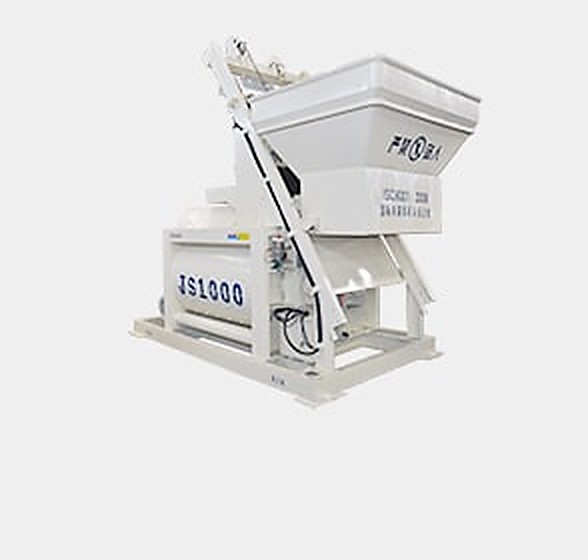
Precast Concrete Product EquipmentEditorial review by HAMAC
In this article
An explanation of the concrete block making process: batching, moulding, vibration, curing and handling.
From mix to mould
A block machine receives a precisely batched mix of cement, sand or crushed aggregate, water and often fly ash. The mix is fed into a mould, where vibration and pressure compact it into the desired shape. Correct moisture content is critical: too dry and the block will not bind, too wet and it slumps.
HAMAC precast concrete block making machine - 3.
Vibration and compaction
Vibration removes air and settles the particles around the mould. The combination of vibration frequency, amplitude and pressing force determines density and strength. Modern machines use hydraulic pressing and controlled vibration to produce consistent blocks at high rates.
Stage
Key control
Batching
Accurate cement and aggregate weights
Moulding
Correct moisture content
Compaction
Vibration plus hydraulic pressure
Curing
Moisture and temperature control
Curing and handling
Fresh blocks are moved to a curing area where they are kept moist and protected from sun and wind. Steam or accelerated curing can speed turnover where justified. Handling equipment must move green blocks without damage, and a stock of pallets is needed for the curing cycle.
HAMAC precast concrete block making machine - 5.
Need help applying this to your project?
Send your material type, target output and site conditions to HAMAC engineers. You will receive a practical equipment configuration and a clear quotation, normally within one working day.
Questions about this topic
How does a brick making machine work?
It feeds a batched mix into a mould, compacts it with vibration and pressure, then ejects the block for curing.
What mix is used for concrete blocks?
Cement, sand or crushed aggregate, water and often fly ash, with moisture controlled for proper compaction.
How long do blocks need to cure?
Typically 7 to 28 days depending on the binder and curing method; accelerated curing can shorten the cycle.
H
HAMAC Machinery Editorial Team
Written and reviewed by engineers and sales specialists who configure concrete batching plants, crushers, mixers and pumps for projects in more than 180 countries. Content is based on factory testing data and field feedback from delivered equipment.





 Company News