How aggregate gradation affects concrete quality and how a crushing plant is configured to meet grading envelopes.
Why grading matters
Concrete aggregate must fall within defined grading envelopes. A good average is not enough: a plant that produces the right average but swings outside the envelope between samples will still have material rejected. Consistency is as important as the target grade.
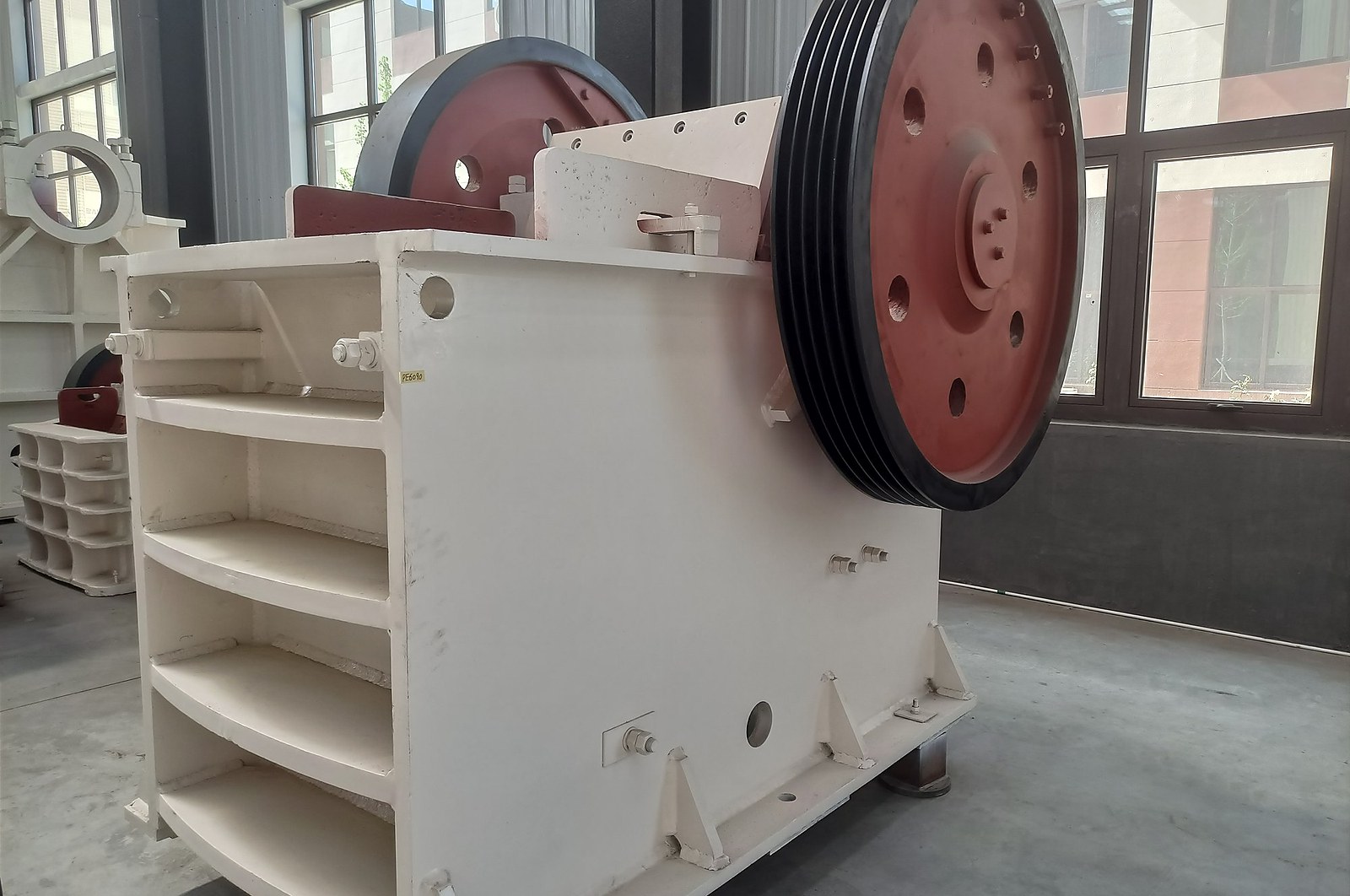
Primary jaw crusher assembled and test-run in the HAMAC workshop before delivery.
Producing a consistent grading
Consistency comes from stable feed, a correctly set crusher and screens that are not overloaded. Blending two stockpiles can hold a specification when the deposit varies, but it needs separate stockpiles and a controlled reclaim method.
Sieve size
Typical limit
Why it matters
Max size
Per mix design
Workability and bonding
Fines
Controlled %
Water demand
Flaky particles
Limited %
Strength and durability
Checking the product
Run sieve analyses at regular intervals and plot the results against the specification envelope. Track the fines content and the proportion of flaky particles as well as the grading. A trend towards more fines usually means a screen is worn or a crusher setting has drifted.
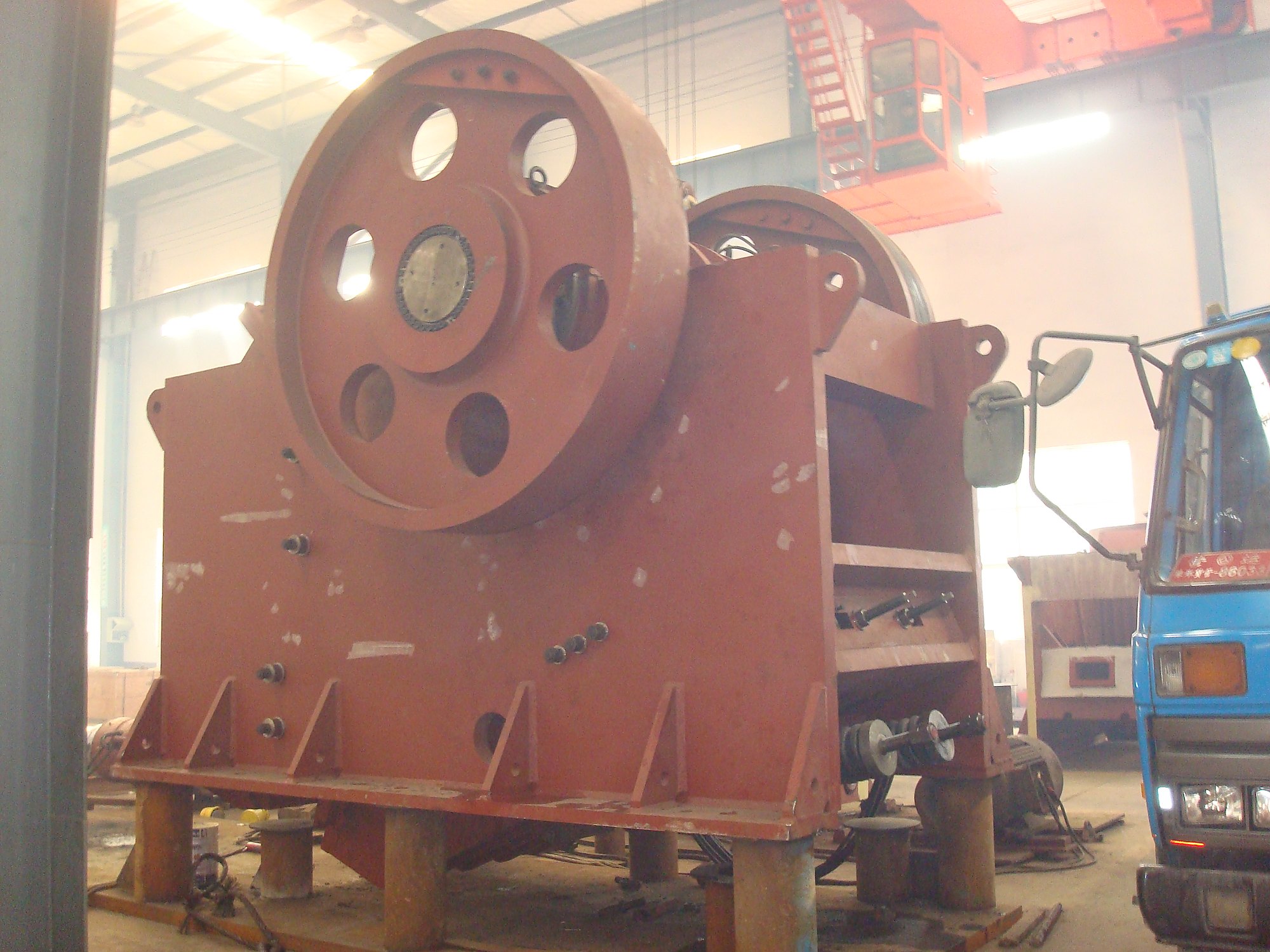
Jaw crusher frame, flywheel and drive guard fitted during assembly.
Need help applying this to your project?
Send your material type, target output and site conditions to HAMAC engineers. You will receive a practical equipment configuration and a clear quotation, normally within one working day.
Questions about this topic
What is aggregate gradation?
The distribution of particle sizes in aggregate, which must fall within a specified envelope for concrete work.
How do I keep grading consistent?
Stable feed, correct crusher settings, screens that are not overloaded and regular sieve analysis.
What causes too many fines?
A worn screen, a crusher setting that has closed up, or a change in the source rock.
H
HAMAC Machinery Editorial Team
Written and reviewed by engineers and sales specialists who configure concrete batching plants, crushers, mixers and pumps for projects in more than 180 countries. Content is based on factory testing data and field feedback from delivered equipment.





 Company News