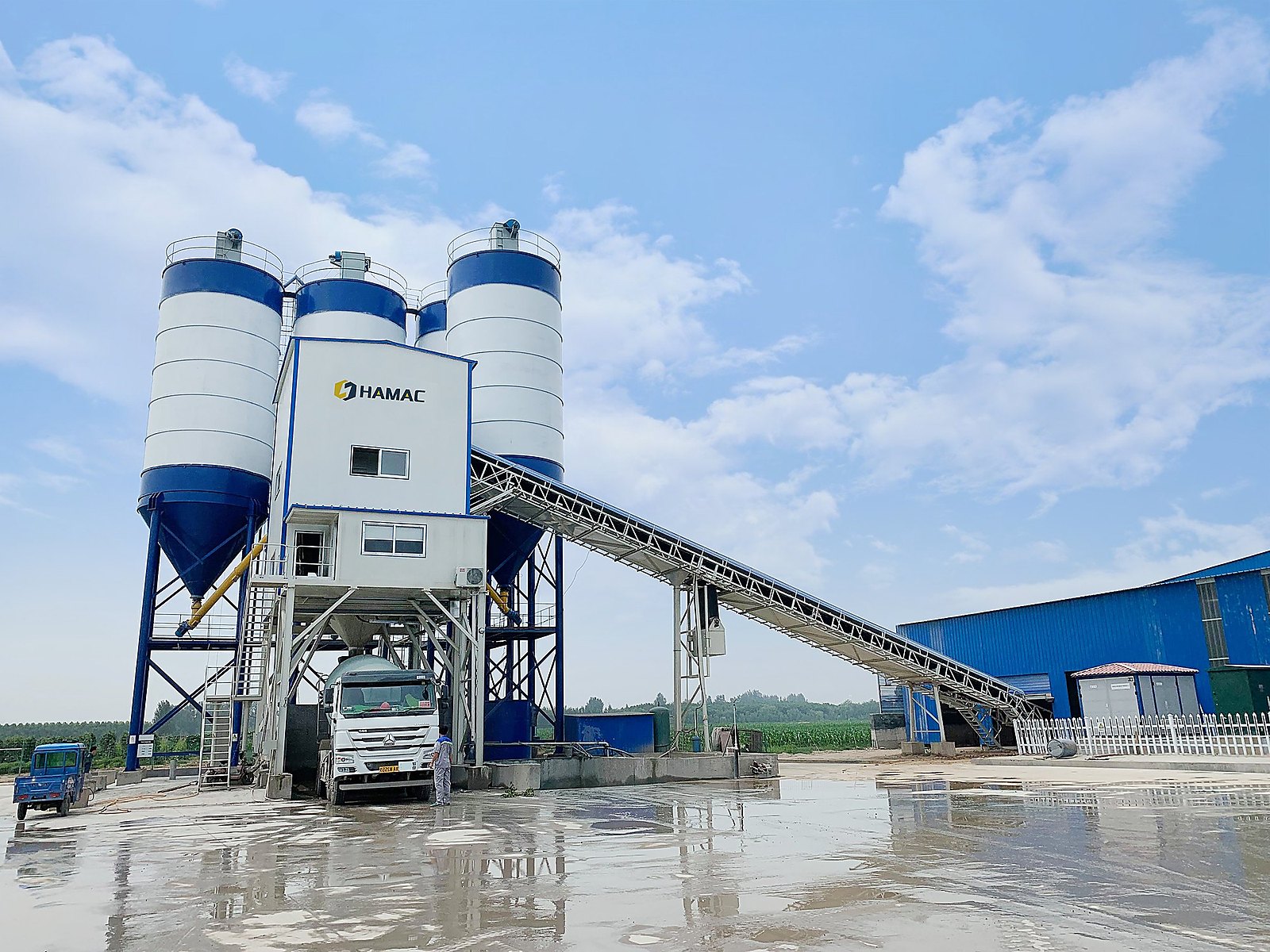
Cement silos generally include three types, including piece type cement silo, integral cement bin and horizontal cement silo. The piece type is a kind of portable cement silo, which is the most popular type on the market now. For that it is easy to pack and convenient to transport and install. And the piece type cement silo manufactured by our company can also be called bolted silos which is mainly connected by bolts. The cement bin can hold not only cement but also other materials, such as lime, fly ash, ore. So we can also call the equipment lime silo, fly ash silo, ore silo depending on what it hold.
What is Bolted Cement Silo
The cement storage silo is a kind of closed tank which is generally used in the bulk cement storage of concrete mixing station and suitable for storing various bulk materials such as, cement, fly ash, lime, etc… The silo is equipped with a material level system to show the position and amount of materials. Then the cement bin and screw pump can be used together to transport materials to proper positions to meet the needs of production. The bolted cement silo is generally equipped with a broken arch device to relieve the build-up caused by material deposition for too long. The bolted type cement silo for sale in our company is easy to install, safe and reliable, and is an ideal bulk storage tank for various cement batching plants.
What’s the Advantage of Cement Silo in HAMAC Group
1.High quality and performance. We use commercial steel plate and seamless welding technology. The silo is more durable.
2.Easy to install and transport. The tanks can be packed and shipped in pieces which is more convenient compared to the whole assembled equipment.
3.Wide application. Except cement, the equipment can also store other kinds of bulk materials, such as fly ash, fine ore, lime, etc…
4.Nice appearance. Multi-layer paint on the surface, anti corrosion paint on the bottom, high-quality metal paint on the surface. All these process make the surface smooth and elegant. In addition, the corners are also neat.
5.Customizable. A variety of models and sizes can be customized based on the requirements of customers.
6.Good sealing performance. The air tightness of cement silo is good that it won’t cause cement to harden because of the difference of external and moist gas.
7.Long service life and low maintenance cost. It can be used for fifty years if it is mentioned properly.
8.Energy conservation and environment protection. The machine is equipped with dust removal system, which can adsorb some suspended particles, reduce the raw materials in the cement tank suspended particles overflow bin outside and reduce the pollution of surrounding environment effectively.





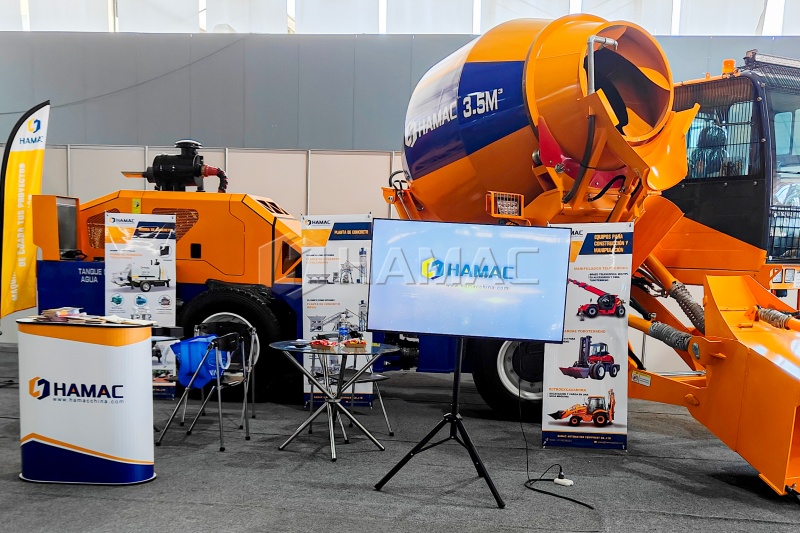
 Exhibitions