To replace the bucket is actually to remove the stick pin and the connecting rod bucket cylinder pin, remove the originally used bucket, and then use the stick pin and connecting rod pin of other buckets or working devices with the bucket. Connecting the rod and the connecting rod is the process of installing the arm pin and the connecting rod pin. The matters needing attention in the process of replacing the bucket are as follows:
(1) When hitting the pin with a hammer, metal shavings may fly into the eyes and cause serious injury. When performing this operation, always wear goggles, helmets, gloves and other protective equipment.
(2) When unloading the bucket, place the bucket steadily.
(3) Hit the pin shaft hard, the pin shaft may fly out and injure people around. Therefore, before hitting the pin again, the safety of the people around should be ensured.
(4) When disassembling the overhead shaft, pay special attention not to stand under the bucket, and do not put your feet or any part of your body under the bucket. When disassembling or installing the pin, for the sake of safety, clarify the signals with each other and work carefully with the personnel involved in the connection work.
Configuration notes for pump
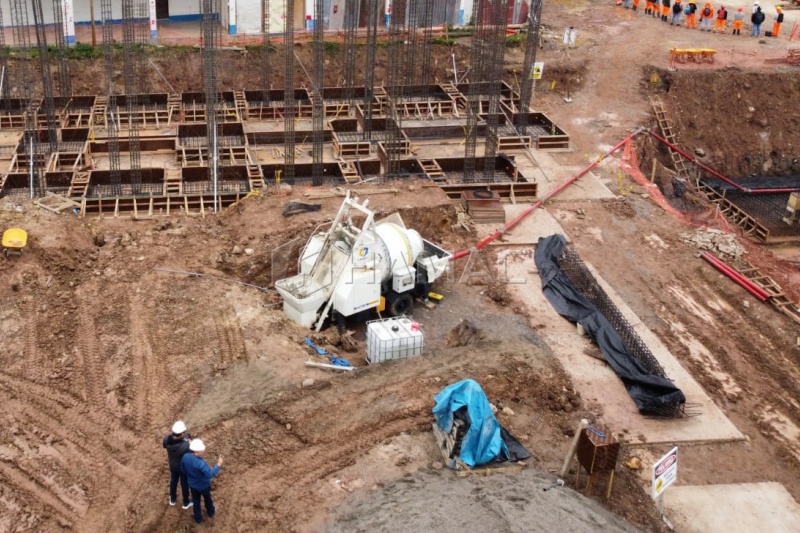
Pumping height and pipeline length reduce achievable output. A pump rated at 60 m³ per hour at ground level will deliver considerably less at 100 metres of horizontal pipeline. In practice, the delivered scope for this type of work usually includes:
- hydraulic pump unit with variable displacement control
- S-valve or gate valve with hardened wear plates and cutting ring
- delivery pipeline sized to the concrete mix and vertical lift
- outrigger frame and stabilisers for safe placement
Site and operating conditions
Equipment working in the destination market has to deal with local material grading, power supply stability and the availability of skilled operators, all of which influence the final configuration more than the catalogue rating does. These points are reviewed during the technical clarification stage, because they change foundation design, electrical protection and the maintenance schedule.
What buyers should check before ordering
- confirm the output and pressure figures are quoted at the required horizontal and vertical distance
- check the maximum aggregate size the pump handles with your mix design
- verify the pipeline diameter matches the slump and aggregate of your concrete
- ask about wear plate and cutting ring life under your aggregate type
- confirm after-sales support and spare parts for the hydraulic system
Key takeaways
- Base the selection on daily output and actual material, not on a model number.
- Confirm the quoted capacity matches your material and site conditions.
- Plan wear parts and a spare parts kit from the first year of operation.
HAMAC can review your requirement and propose a comparable configuration with a clear scope, schedule and support plan.





 Exhibitions