Concrete Mixing Plant

Concrete batching plant for sale

Home/ News/ Concrete Mixing Plant/ Article
Concrete Mixing Plant Editorial review by HAMAC

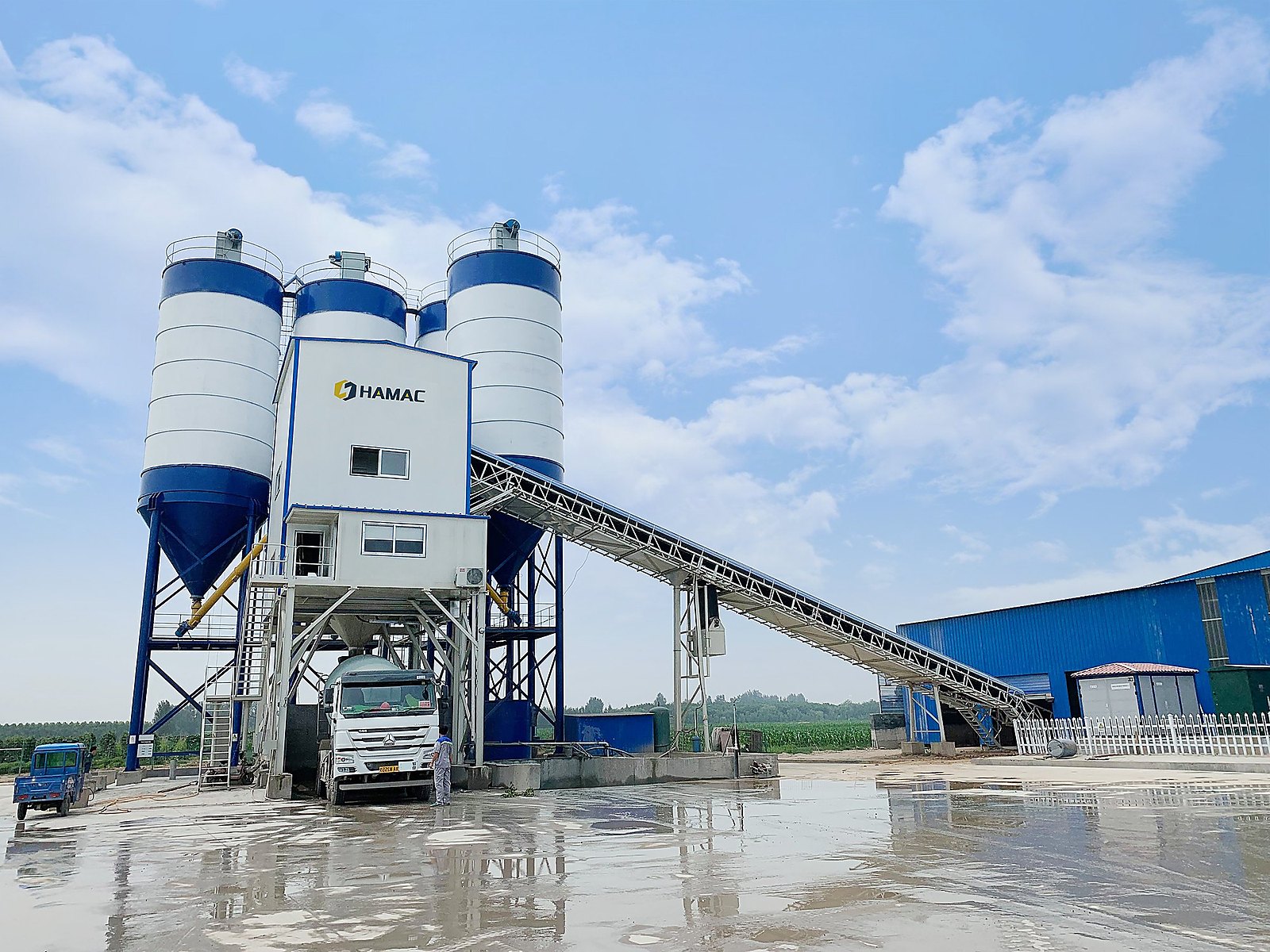
oncrete batching plant is a construction material processing equipment consist of mixer, material weighing system, material conveying system, material storing system and control system five parts, along with other accessory devices. Its main working principle is using cement as cementing material to mix aggregates, cement, fly ash etc fully together in order to generate concrete, which as filling material in construction operation.

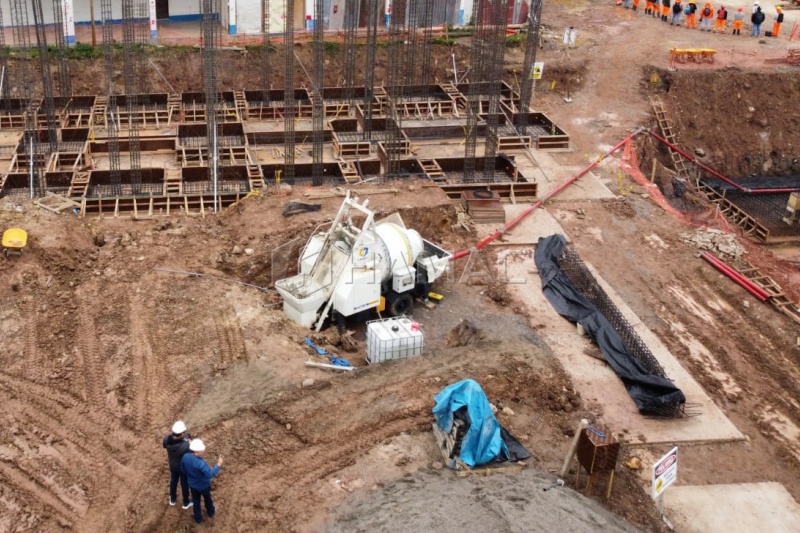
Generally speaking, there are stationary type concrete batching plant and mobile type concrete batching plant, and this is also a category that many manufacturers have to separate when producing concrete batching plant. For fixed type concrete bathing plant, they mostly apply modular design for easy matching, mainly applied by massive commercial concrete batching plant manufacturer, or concrete precast unit related manufacturer, so that the plants can be put in mega concrete projects, the advantage is excellent production capacity, stable working condition and anti-interference. For mobile concrete batching plant, it is towed by a dragging unit, with mobility which makes the production flexible, normally for medium to small temporally construction operation, available for both renting or purchasing.

If we are mean to distinguish them by application, there can be commercial concrete batching plant and construction concrete batching plant, commercial concrete batching plant is aiming for commercial purpose, which is to sell, which should be equipped with high efficiency and economic, in the meantime, environmental friendly, on the other hand, construction concrete batching plant is aiming at self use purpose, whether it will match with one’s own project is which need to be considered most.

Need help applying this to your project?

Send your material type, target output and site conditions to HAMAC engineers. You will receive a practical equipment configuration and a clear quotation, normally within one working day.

Questions about this topic

How do I choose batching plant capacity?

Estimate the concrete volume per day, then divide by the effective working hours. Add 20 to 30 percent headroom for peak demand. A 35 m³/h plant suits small contractors; 50 to 75 m³/h suits commercial supply; 90 m³/h and above suits large projects.

Which mixer type should I choose for my concrete?

Twin-shaft compulsory mixers are the default for commercial concrete because of short mixing cycles and uniform output. Planetary mixers suit high-grade or special mixes, and drum mixers suit smaller, simpler operations.

How often should wear parts be replaced?

Mixer blades and liners are inspected weekly and normally replaced every 6 to 12 months depending on abrasive content. Belt scrapers, screen meshes and pump wear plates follow the same inspection rhythm.

Can the plant be upgraded later?

Yes. Modular batching plants allow additional silos, a larger mixer or an upgraded control system to be added later without replacing the whole structure.

HAMAC Machinery Editorial Team

Written and reviewed by engineers and sales specialists who configure concrete batching plants, crushers, mixers and pumps for projects in more than 180 countries. Content is based on factory testing data and field feedback from delivered equipment.

Keep reading

Related articles

All news

Turn this knowledge into a working plant

HAMAC engineers translate your output target, material and site layout into a concrete or aggregate production configuration.