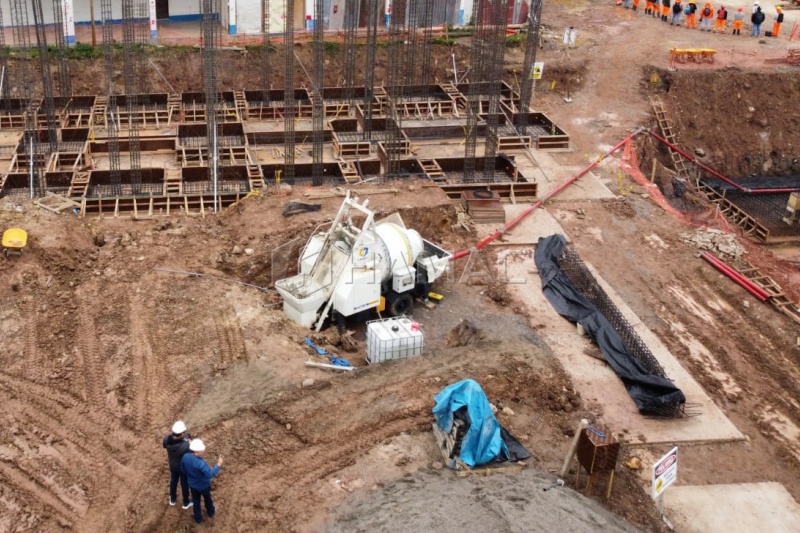
Concrete mixer pump combines the advantages of the concrete mixer and the conveyor equipment. It can integrate the mixing function and pumping function in one machine. So a concrete mixer with pump is mainly made of mixing system and conveying system. Many construction companies need ready-made concrete that they can use in different sites. Taking the concrete mixer to the construction site takes significant time, and there may not be enough space to keep the unit. That is why these companies are showing interest in concrete mixer pump. Welcome to purchase the concrete mixer machine with pump from our company. We believe that it can help you finish your project quickly.
Check out its types and specifications
In general, the concrete mixer pump can be divided into diesel engine concrete mixer with pump for sale and electric motor concrete mixer with pump machine depending on its driven power. Different customers have different requirements. You can select the suitable type of machine according to your real needs. We recommend you the diesel type one, because it can works everywhere even there is not electricity there.
Besides considering the type of concrete mixer with pump for sale, you also need to be concerned about its parameter, including mixing capacity, pumping capacity, pumping power, Max. Aggregate size, etc. The models of our concrete pump with mixer for sale includes HBT15, DHBT15.
If you have any confusion about how to get a suitable concrete mixer pump, welcome to contact usand we will give you more professional advice.
Questions about this topic
How do I choose batching plant capacity?
Estimate the concrete volume per day, then divide by the effective working hours. Add 20 to 30 percent headroom for peak demand. A 35 m³/h plant suits small contractors; 50 to 75 m³/h suits commercial supply; 90 m³/h and above suits large projects.
Which mixer type should I choose for my concrete?
Twin-shaft compulsory mixers are the default for commercial concrete because of short mixing cycles and uniform output. Planetary mixers suit high-grade or special mixes, and drum mixers suit smaller, simpler operations.
How often should wear parts be replaced?
Mixer blades and liners are inspected weekly and normally replaced every 6 to 12 months depending on abrasive content. Belt scrapers, screen meshes and pump wear plates follow the same inspection rhythm.
Can the plant be upgraded later?
Yes. Modular batching plants allow additional silos, a larger mixer or an upgraded control system to be added later without replacing the whole structure.





 Exhibitions