The value of an exhibition is decided before arrival and after departure, not during the visit itself. This article covers both ends of that window.
Preparing a technical specification before the meeting
A supplier can quote accurately only when the requirement is clear. Bring the daily concrete volume, the mix types, the maximum aggregate size, the local power supply, the site altitude and climate, and the destination port. With those six items a supplier can propose a configuration instead of a generic offer.
A written specification also protects the buyer. It becomes the basis of the contract, and it makes later claims about missing items much easier to resolve.
Following up after the show
The value of a show is realised in the two weeks after it closes. Notes taken at the stand, matched with the business cards collected and followed by a specific request, convert far more often than a general email sent a month later.
A useful follow-up refers to the conversation: the configuration discussed, the reference plant mentioned, the question that remained open. It shows the supplier that the meeting was worth having and it moves the discussion towards a quotation.
Stage
Action
Output
Before
Shortlist exhibitors and questions
Visit plan
Before
Prepare technical specification
One page brief
During
Compare on identical rows
Comparison sheet
During
Request two references
Contact list
After
Follow up within two weeks
Quotation request
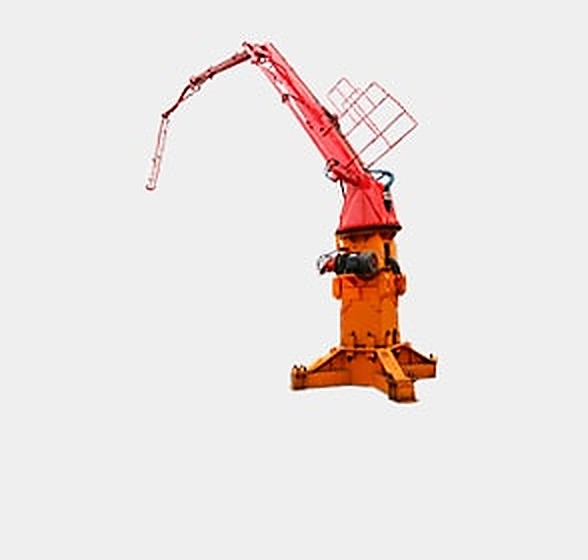
Self climbing concrete placing boom installed on a high-rise frame — HAMAC equipment supplied to concrete and aggregate projects worldwide.
Booth design and what it signals
A booth is a compressed statement about the company. Clean machines, readable specifications, a place to sit and a team that can answer technical questions signal an organised supplier. A booth dominated by banners and without a technical person present signals the opposite.
The most effective displays let a visitor inspect the details that matter: a mixer trough section, a control panel, a weld sample and a wear part. These are the objects that generate real technical conversation.
Regional shows versus international flagship events
A flagship international show gathers the whole industry and is efficient for comparing technology, but it is expensive and crowded. A regional show attracts the buyers who actually work in that market, and a conversation there often moves faster because the project is local.
For a buyer, the practical combination is one large show every few years to survey the market and regional shows for specific projects. For a supplier, the same logic applies in reverse when choosing where to exhibit.
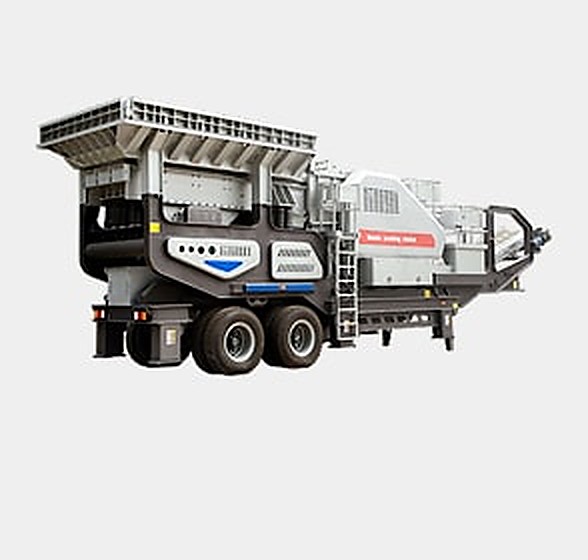
Mobile crushing and screening plant working at a quarry face — HAMAC equipment supplied to concrete and aggregate projects worldwide.
Show calendar planning for the coming year
Construction equipment exhibitions cluster around a few established dates: the large international events rotate on a multi-year cycle, while regional shows repeat annually. Planning a calendar 12 months ahead avoids clashes between two useful events in the same month.
Budget should include travel, accommodation, sample transport and follow-up time. The follow-up is the item most often left out of the budget, and it is the one that determines whether the show produces orders.
Setting objectives before the show
A trade show visit produces results only when the objective is defined in advance. That may be to compare three suppliers for a specific plant, to find a distributor for a region or to see a new machine type in operation. Each objective implies a different plan for which stands to visit and what to ask.
Visitors who arrive without a list spend most of their time on the largest stands and leave with brochures rather than decisions. A short list of target exhibitors, prepared from the show catalogue, is the most useful preparation.
Questions that reveal real capability
Brochure figures are not comparable between suppliers. Ask about steel plate thickness, gearbox brand and model, load cell type, control system architecture and the scope included in the quoted price. These five answers separate suppliers more reliably than any other question.
Ask also for two references in similar conditions and for the name of the service partner in your region. A supplier who cannot answer those questions at the show is unlikely to answer them after the order.
Where to go next
For the equipment side, see project references; for plant-level design and layout questions, see equipment catalogue. If the project is in Bangladesh or a comparable market, the HAMAC team can provide reference installations and a configuration proposal against your daily output target.
Send the daily volume, mix types and site conditions to HAMAC engineers and you will receive a configuration and a quotation, normally within one working day.
Need help applying this to your project?
Send your material type, target output and site conditions to HAMAC engineers. You will receive a practical equipment configuration and a clear quotation, normally within one working day.
Questions about this topic
Can I get a quotation at the show?
A budgetary quotation is usually possible with a clear specification. A firm quotation follows technical clarification.
Can I book a meeting with your team at a show?
Yes. Contact the sales team before the show with your equipment requirement and a meeting slot can be arranged at the booth.
What should I bring to a supplier meeting?
Daily concrete volume, mix types, maximum aggregate size, power supply, site conditions and the destination port.
H
HAMAC Machinery Editorial Team
Written and reviewed by engineers and sales specialists who configure concrete batching plants, crushers, mixers and pumps for projects in more than 180 countries. Content is based on factory testing data and field feedback from delivered equipment.





 Company News