Production discipline shows up in details that are easy to see on a visit and difficult to fake in a brochure. The sections below explain what those details are and what they indicate.
Spare parts strategy for export markets
A machine that stops for a missing part costs the customer far more than the part itself. For export markets the practical solution is a stock of high-turnover items held regionally: filters, seals, wear plates, blades, load cells and electrical components, with slower-moving structural parts supplied from the factory.
Kitting is as important as stocking. A maintenance kit that contains everything needed for a specific service interval avoids the situation where a technician is on site with three of the four required items.
Commissioning support and remote diagnostics
Overseas commissioning usually combines a site visit for the first installation of a new model with remote support for repeat installations. Video guidance through a phone or tablet has become a practical alternative for straightforward plants, provided the foundation and connections were completed correctly.
Remote diagnostics depend on the control system. Plants with a networked control system can report faults and batch data to the supplier, which shortens the time between a fault appearing and a correct fix being applied.
Stage
Check performed
Record kept
Incoming material
Plate thickness and certificate
Material report
Fabrication
Module dimensions and squareness
Dimensional sheet
Welding
Visual and non-destructive test
Weld report
Assembly
Fit check and electrical continuity
Assembly checklist
Final
Dry run, weighing calibration, paint
Test certificate
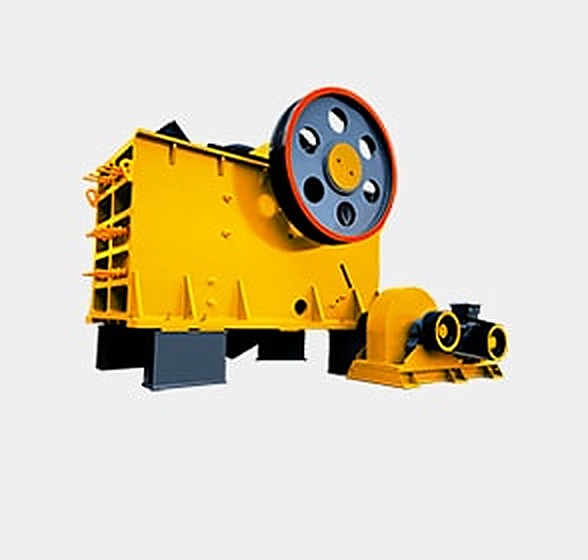
Jaw crusher used as the primary stage in a stone crushing plant — HAMAC equipment supplied to concrete and aggregate projects worldwide.
Training for operators and maintenance staff
Most early failures on a new plant come from operation rather than from the machine. Operators who understand batching tolerance, mixer charging sequence and the meaning of the fault display avoid the errors that cause damaged mixers and rejected loads.
Maintenance training is equally practical. Teaching a customer team to measure blade clearance, check load cell zero and inspect a pump valve lets them handle routine work without waiting for a service visit.
Customer visits and factory acceptance
A factory visit lets a buyer verify what a specification sheet cannot: plate thickness, weld quality, component brands and the condition of the assembly area. For larger orders the visit doubles as a factory acceptance test, with the machine run in the customer presence before packing.
Remote acceptance is possible when travel is difficult. A live video walkthrough with the customer on the call, showing the machine serial numbers and the test results, provides most of the assurance of a physical visit.
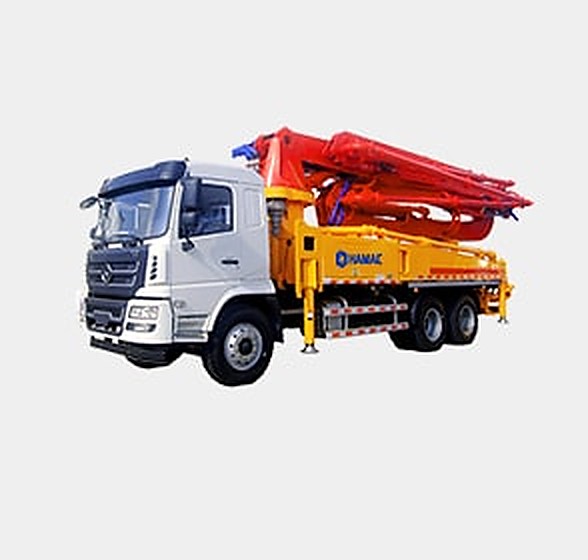
Truck mounted concrete boom pump placing concrete on a building site — HAMAC equipment supplied to concrete and aggregate projects worldwide.
Delivery records and project references
Delivery records are the most credible form of marketing in this industry. A reference from a comparable climate, material and duty tells a buyer more than any brochure, and it can be checked with the customer directly.
Recording each delivery with the configuration, destination, commissioning date and any later service work builds a database that supports both sales and engineering. Patterns in that data often reveal which options are genuinely useful and which are rarely ordered.
Service network and response times
Response time, not the size of the service team, is what customers measure. A clear commitment, a named contact and a spare parts location within the region are more useful than a general promise of support.
For remote sites the practical arrangement is a local partner trained by the manufacturer, backed by factory engineers for complex faults. That model keeps first-line response close to the customer while keeping specialist knowledge at the factory.
Manufacturing under international standards
Export machines are frequently required to meet standards that differ from the domestic market: electrical enclosures rated for outdoor use, guards that satisfy European machinery directives, lifting points designed for container handling and documentation in the buyer language.
Designing to the most demanding standard in the target markets avoids the cost of re-engineering later. It also simplifies spare parts, because one configuration serves more destinations.
Where to go next
For the equipment side, see the HAMAC equipment range; for plant-level design and layout questions, see delivered projects. If the project is in Mexico or a comparable market, the HAMAC team can provide reference installations and a configuration proposal against your daily output target.
Send the daily volume, mix types and site conditions to HAMAC engineers and you will receive a configuration and a quotation, normally within one working day.
Need help applying this to your project?
Send your material type, target output and site conditions to HAMAC engineers. You will receive a practical equipment configuration and a clear quotation, normally within one working day.
Questions about this topic
Can we visit the factory before placing an order?
Yes. Visitors can inspect the fabrication workshop, assembly line and testing area, and review reference machines before signing.
How is the equipment installed overseas?
HAMAC provides foundation drawings, an installation manual and remote video guidance, with an engineer dispatched for larger plants or first installations.
Can we inspect the machine before shipment?
Yes. A factory acceptance test can be arranged, with the machine assembled, wired and run dry in the customer presence.
H
HAMAC Machinery Editorial Team
Written and reviewed by engineers and sales specialists who configure concrete batching plants, crushers, mixers and pumps for projects in more than 180 countries. Content is based on factory testing data and field feedback from delivered equipment.





 Company News